
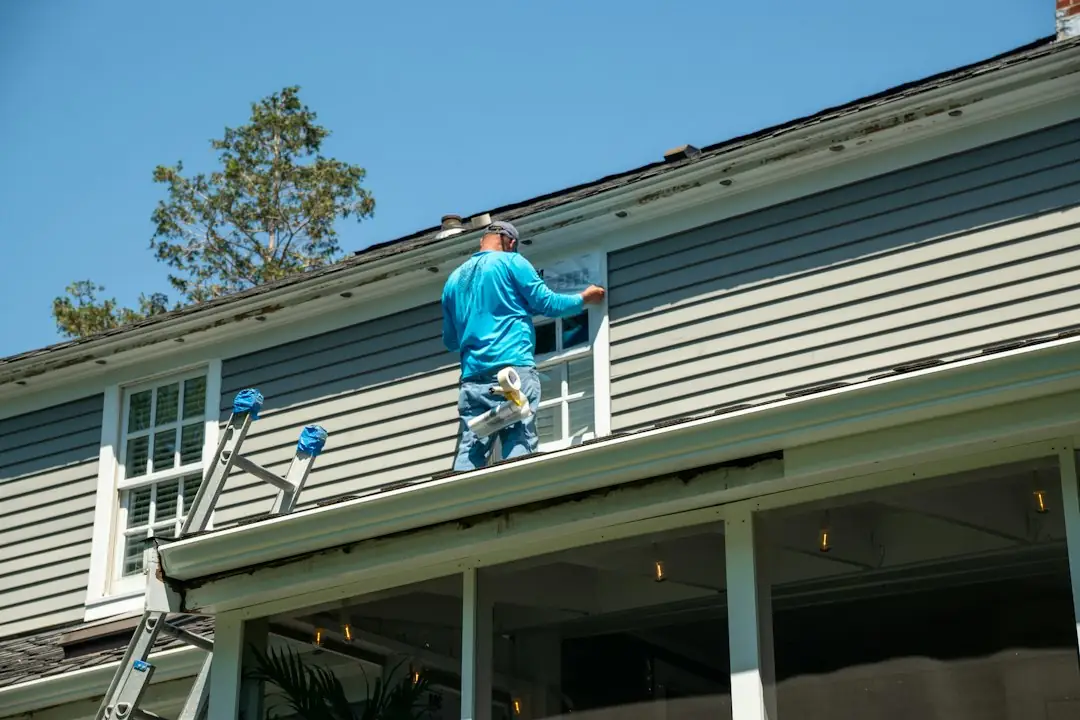
In Colorado, landlords are legally required to maintain rental properties in a habitable condition under the Colorado Warranty of Habitability (C.R.S. § 38-12-503). That means working heat capable of maintaining 68°F, functioning plumbing and electrical systems, weathertight roofs and walls, working smoke and CO detectors, and no mold or pest infestations. Emergency repairs must begin within 24 hours of written notice.
Aurora is Colorado's third-largest city, stretching from the high-plains neighborhoods near E-470 and Southlands Mall all the way west toward Fitzsimons and the Anschutz Medical Campus. That geographic spread means rental properties range from 1970s ranch homes near Del Mar Park to newer townhomes in Tallyn's Reach — and each era of construction brings its own maintenance quirks. Colorado's tenant-protection laws have grown significantly stronger since 2019, so Aurora landlords who haven't reviewed their obligations recently may be operating on outdated assumptions.
What does Colorado's Warranty of Habitability actually require landlords to do?
Colorado's Warranty of Habitability, codified at C.R.S. § 38-12-501 through § 38-12-511, requires landlords to deliver and maintain a rental unit that is safe, sanitary, and fit for human habitation throughout the entire tenancy — not just at move-in. The statute lists specific conditions that automatically constitute a breach: no working heat capable of maintaining 68°F in living areas, no functioning plumbing or hot water, no working electrical lighting, a roof or walls that do not keep out rain or snow, infestation by insects or rodents, and the presence of mold caused by a landlord's failure to maintain the property.
The law also requires landlords to provide and maintain working smoke detectors and carbon monoxide detectors under C.R.S. § 38-12-104. For Aurora rentals near busy corridors like Iliff Avenue or Colfax, where older multi-family buildings are common, CO detector compliance is especially important given the age of HVAC equipment in many units.
What the statute does not require is cosmetic perfection. Scuffed baseboards, aging carpet, or a slow-closing cabinet door do not breach the Warranty of Habitability. The line is between conditions that affect health, safety, and basic function versus normal wear-and-tear — a distinction that matters enormously when tenants attempt to withhold rent.
How quickly must an Aurora landlord respond to a maintenance request?
Under C.R.S. § 38-12-507, once a tenant provides written notice of a habitability issue, a landlord has 24 hours to begin remediation for emergency conditions (no heat in winter, sewage backup, no water), and no more than 72 hours for urgent but non-emergency conditions. For non-urgent repairs that still breach the Warranty of Habitability, the landlord has a reasonable time — typically interpreted as 7 days — to begin repairs.
These timelines are not soft suggestions. If a landlord misses the 24-hour emergency window and the tenant is left without heat during an Aurora January — where overnight lows regularly drop below 10°F — the tenant may legally terminate the lease, withhold rent into an escrow account, or hire their own contractor and deduct the cost. All three remedies are explicitly authorized under Colorado law.
Practical tip: 'begin remediation' means a licensed contractor or qualified repair person must be on-site or formally scheduled within the required window. Sending a text message saying 'I'll look into it' does not start the clock — documented action does.
What specific systems is the landlord responsible for maintaining?
Colorado landlords are responsible for maintaining every system that makes a home livable: HVAC (heating and cooling), plumbing, electrical, roof, exterior walls, windows and exterior doors, and common areas in multi-unit properties. The landlord is also responsible for maintaining appliances they provide as part of the lease — a refrigerator or stove listed in the rental agreement is now a landlord obligation, not a tenant luxury.
In Aurora specifically, the semi-arid climate creates predictable maintenance cycles. The clay-heavy soils in neighborhoods like Aurora Hills and Meadowood cause foundation settling and cracked driveways. Hail is a genuine annual hazard — the Iliff and I-225 corridor sees multiple significant hail events per decade that can compromise roof integrity. Sprinkler systems need winterization each October. These are landlord obligations, not optional extras.
Tenants are responsible for maintaining the property in a clean and sanitary condition, disposing of trash properly, and not damaging systems through misuse. If a tenant clogs a drain with grease or breaks a window, that is a tenant repair obligation. The dividing line under Colorado law is cause: landlord-caused or wear-and-tear deterioration is the landlord's responsibility; tenant-caused damage is the tenant's.
What happens if an Aurora landlord ignores a maintenance request?
If a landlord fails to begin repairs within the statutory timeframes, Colorado law gives tenants four specific remedies under C.R.S. § 38-12-507: (1) terminate the lease with no penalty, (2) withhold rent into a court-supervised escrow account, (3) hire a repair contractor and deduct the cost from rent, or (4) sue for damages including attorney's fees. Aurora Municipal Code also allows the city to issue citations with fines up to $1,000 per violation per day for sustained habitability failures.
The 'repair and deduct' remedy is capped at the greater of $5,000 or one month's rent under Colorado law — a figure that covers most urgent repairs but may not cover a full HVAC replacement. Tenants pursuing this remedy must provide written notice first and give the landlord the required response window before hiring outside help.
Landlords who retaliate against a tenant for reporting a habitability issue — by raising rent, reducing services, or starting an eviction — face additional liability under C.R.S. § 38-12-509. A retaliatory eviction filed within 90 days of a tenant's habitability complaint creates a legal presumption of retaliation, and courts can award the tenant actual damages plus up to $5,000 in additional damages.
What maintenance can a landlord legally pass to the tenant in Colorado?
Colorado law allows landlords to shift specific, minor maintenance responsibilities to tenants through a written lease agreement, as long as those responsibilities do not eliminate the landlord's core habitability obligations. Common legitimate tenant responsibilities in Aurora leases include lawn care and snow removal, replacing light bulbs and air filters, minor drain cleaning, and maintaining renter's insurance.
What a lease cannot do is waive the Warranty of Habitability. Under C.R.S. § 38-12-503(2), any lease clause that purports to have the tenant waive habitability rights is void and unenforceable — even if the tenant signed it. A lease saying 'tenant accepts property as-is and waives all repair claims' provides zero legal protection for the landlord.
Some Aurora landlords include lawn and landscaping maintenance in leases for single-family homes, which is entirely reasonable. For multi-family properties along corridors like Mississippi Avenue or in the City Center area, common-area maintenance — hallways, parking lots, shared laundry — always remains the landlord's responsibility and cannot be shifted to individual tenants.
How does professional property management reduce landlord maintenance liability in Aurora?
A professional property manager creates a documented maintenance paper trail that is a landlord's best legal protection: timestamped work orders, written notices, contractor invoices, and move-in/move-out inspection reports that clearly establish the condition of the property at every stage of tenancy. That documentation is what wins — or avoids — disputes about who caused what damage.
PMI Little Town manages Aurora rental properties at 8% of monthly rent per month. For a typical Aurora single-family home renting at $2,000/month, that is $160/month for full maintenance coordination, vendor management, and statutory compliance oversight. The leasing fee is 50% of the first month's rent — a one-time cost when a new tenant is placed — and lease renewals run 25% of one month's rent. A free rental analysis is available to any Aurora owner who wants to know what their property should rent for in today's market.
Beyond the numbers, local expertise matters. PMI Little Town knows which Aurora neighborhoods run on aging boiler systems, which zip codes had heavy hail damage in recent seasons, and which vendors provide reliable same-day service when a furnace fails at 11 p.m. in February. That knowledge turns the 24-hour emergency response requirement from a stress point into a routine procedure.
Aurora is a big, diverse city — from the quiet streets near Cherry Creek State Park to the dense rental corridors around Aurora City Center — and keeping up with Colorado's increasingly detailed landlord-maintenance requirements takes real time and expertise. If you'd rather spend your weekends at Westerly Creek Park than fielding 11 p.m. repair calls, PMI Little Town is ready to help. Call us at 720.358.8307 or visit littletonpropertymanagementinc.com for a free rental analysis and a conversation about how we keep Aurora properties compliant, well-maintained, and profitable.
Frequently Asked Questions
Does a Colorado landlord have to provide air conditioning?
No. Colorado's Warranty of Habitability (C.R.S. § 38-12-503) requires working heat capable of maintaining 68°F but does not mandate air conditioning. However, if a landlord provides an AC unit as part of the lease, they are responsible for maintaining it in working condition.Can an Aurora tenant withhold rent for repairs?
Yes, under C.R.S. § 38-12-507, a tenant may deposit rent into a court-supervised escrow account if the landlord fails to begin emergency repairs within 24 hours or non-emergency habitability repairs within 72 hours of written notice. The tenant must follow the statutory notice process exactly or risk losing this protection.Who is responsible for pest control in an Aurora rental?
The landlord is responsible for pest control if the infestation existed at move-in or is caused by structural conditions the landlord controls. If the tenant's behavior — such as improper food storage — caused the infestation, it may be the tenant's responsibility. Colorado's Warranty of Habitability specifically lists insect and rodent infestation as a breach.What notice does a Colorado landlord need to give before entering for repairs?
Colorado law requires landlords to provide at least 24 hours' written notice before entering a rental unit for non-emergency repairs. No advance notice is required in a genuine emergency — such as a burst pipe or gas leak — where immediate entry is necessary to prevent damage or protect safety.Is mold a landlord's responsibility in Colorado?
Yes, if the mold results from the landlord's failure to maintain the property — such as a leaking roof, failed weatherstripping, or unrepaired plumbing. Under C.R.S. § 38-12-503.5, mold that materially interferes with health or safety constitutes a breach of the Warranty of Habitability and requires remediation on the landlord's timeline.How long does a Colorado landlord have to return a security deposit?
Under C.R.S. § 38-12-103, a Colorado landlord must return the security deposit — along with an itemized written statement of any deductions — within 30 days after the lease ends and the tenant vacates. If the lease specifies a longer period, it may extend to 60 days. Failure to comply can result in the landlord owing the tenant triple the wrongfully withheld amount.