
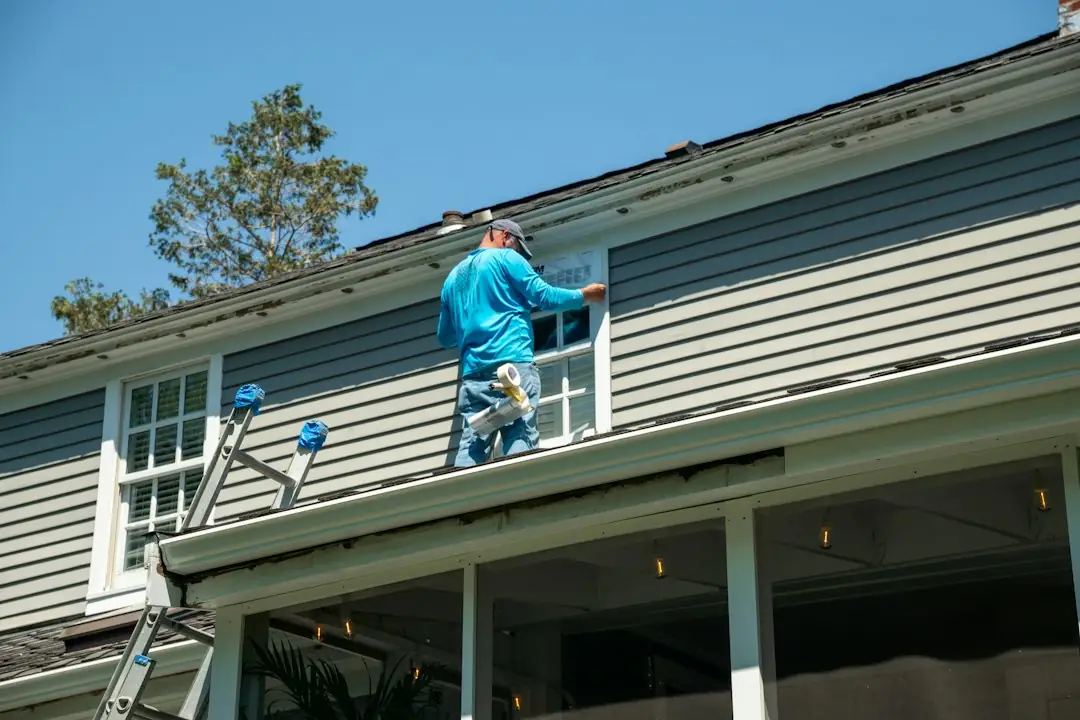
In Colorado, landlords must maintain rental properties in a habitable condition under the Colorado Warranty of Habitability Act (C.R.S. § 38-12-501 through 511). That means working heat capable of reaching 68°F, functioning plumbing and hot water, weathertight roofs and windows, safe electrical systems, and freedom from mold, pests, and other health hazards — at all times, regardless of lease language to the contrary.
Parker landlords operate under the same state statutes as the rest of Colorado, but the local rental stock adds its own practical context. Many Parker rentals are newer single-family homes in master-planned communities like Anthology, Idyllwilde, or Bradbury Ranch — subdivisions with active HOAs that set their own exterior maintenance standards on top of what state law requires. That layered responsibility is exactly why understanding the legal baseline matters before you sign your first lease on a property near Twenty Mile Road or Main Street.
What does Colorado's Warranty of Habitability require landlords to provide?
Colorado's Warranty of Habitability (C.R.S. § 38-12-503) requires landlords to deliver and maintain a rental unit that is safe, sanitary, and fit for human habitation — no lease clause can waive this obligation. The law lists specific conditions: working heat capable of maintaining 68°F in living areas, functioning hot and cold running water, working plumbing, weathertight exterior walls and roofs, safe electrical systems, adequate ventilation, and freedom from vermin infestation and mold caused by the landlord's negligence.
The 2021 amendments to the Act significantly strengthened tenant rights. If a landlord fails to fix a habitability condition after proper notice, a tenant may now withhold rent, repair-and-deduct, terminate the lease, or sue for damages — remedies that were much more limited before the update. Parker landlords should treat the warranty not as a legal minimum but as a practical operating standard, because enforcement risk is real.
One nuance worth knowing: the warranty covers conditions the landlord knew about or should have known about through reasonable inspection. If a tenant reports a cracked window seal in a Parker winter and you ignore it, you can't later argue you weren't aware of the problem. Document everything and respond promptly.
What specific repairs is the landlord — not the tenant — responsible for fixing?
Landlords are responsible for repairs to the structure, systems, and fixtures they own and provide — tenants are responsible for damage they or their guests cause. Concretely, landlord obligations include: roof and gutter integrity, foundation and structural walls, HVAC systems (heating is mandatory by law; central air is mandatory only if it was present and represented in the lease), water heaters, plumbing supply and drain lines, electrical panels and wiring, smoke and carbon monoxide detectors, and common area lighting if the property has shared spaces.
Appliances follow the lease, not the statute. If your Parker rental includes a refrigerator, dishwasher, or garage door opener in the lease, you are obligated to keep them functional. If the lease is silent on an appliance and you provided it as a courtesy, your obligation is murkier — but courts often look at whether the item was advertised and whether the tenant relied on it.
Pest control is generally a landlord responsibility unless the infestation is caused by tenant behavior (storing food improperly, leaving trash inside, etc.). Parker's proximity to open space along Cherry Creek and the Sulphur Gulch Trail corridor means wildlife and insect pressure is a real consideration — quarterly pest inspections are a sound investment, not a luxury.
How quickly must a landlord make repairs after a tenant reports a problem?
Colorado law does not name a universal repair deadline, but C.R.S. § 38-12-507 distinguishes between habitability emergencies and standard repairs — and courts interpret 'reasonable time' in that context. For conditions that immediately threaten health or safety (no heat in January, sewage backup, gas leak), reasonable time is typically 24 to 72 hours. For non-emergency habitability issues, landlords generally have about 10 days after written notice to make or begin repairs.
Tenants must give written notice before exercising most remedies under the Act. That notice starts the clock. As a Parker landlord, the safest practice is to acknowledge the notice in writing the same day, give the tenant a realistic repair timeline, and document every step. A broken furnace reported in December on a Parker property where nighttime lows drop into the teens is treated by courts as an emergency — plan accordingly.
If you use a property manager, make sure your management agreement spells out emergency repair authorization limits. At PMI Little Town, our agreements define a dollar threshold — typically around $300 — below which routine repairs are authorized without owner approval, so a burst pipe at a Stroh Ranch rental doesn't wait for a callback.
Who is responsible for lawn care, snow removal, and exterior upkeep?
Exterior maintenance responsibility is determined by lease language and local ordinance — Colorado state law doesn't assign it by default, so your lease must be explicit. For single-family homes, Parker landlords typically assign lawn care and snow removal to tenants via a lease clause; for condos or multi-unit properties, landlords usually retain responsibility or bundle it into HOA services.
Parker's HOA landscape is dense. Communities like Pinery, Pine Bluffs, and Clarke Farms have CC&Rs that impose fines on the property owner — not the tenant — for violations like overgrown grass, unshoveled walks, or non-compliant holiday lighting. If your tenant is contractually responsible for lawn care but ignores it and the HOA fines you $200 per violation, you need a lease clause that lets you recover that cost. Document the assignment of responsibility clearly.
Snow removal deserves special attention in Parker, where elevation means heavier snowfall than in lower-elevation parts of Douglas County. Parker Municipal Code and common slip-and-fall liability principles mean walks adjacent to your rental should be cleared within a reasonable time after snowfall ends. Assign this in writing, verify the tenant understands it, and consider carrying a service contract with a local snow removal company as a backstop for extended storms.
What happens if a landlord ignores required maintenance in Colorado?
If a landlord fails to fix a habitability condition after proper written notice, Colorado law gives tenants four distinct remedies under C.R.S. § 38-12-507: (1) terminate the lease and move out without penalty, (2) withhold rent until repairs are made (held in escrow), (3) repair the problem themselves and deduct the cost from rent (up to the equivalent of one month's rent per repair event), or (4) sue for actual damages, up to three months' rent plus attorney fees in egregious cases.
Beyond tenant remedies, neglected maintenance can expose Parker landlords to code enforcement actions through Douglas County, personal injury liability if a defective condition causes harm, and insurance complications if a claim arises from a known but unaddressed hazard. Property insurance policies often include exclusions for losses caused by landlord negligence.
The financial math is straightforward: a $400 water heater repair ignored long enough can become a $6,000 tenant relocation claim, two months of lost rent, and an attorney fee award. Preventive maintenance — especially in Parker's climate, where freeze-thaw cycles stress plumbing and roofing — costs a fraction of reactive repairs.
How does working with a property manager in Parker help with maintenance compliance?
A licensed property manager tracks maintenance obligations, coordinates vendors, documents repairs, and keeps landlords on the right side of Colorado law — which is why many Parker investors hand off day-to-day operations rather than manage remotely. At PMI Little Town, our monthly management fee is 8% of the monthly rent, which covers ongoing coordination of maintenance requests, tenant communication, and routine inspections.
When a new tenant is placed, our leasing fee is 50% of the first month's rent — a one-time charge that covers tenant screening, lease execution, and move-in documentation including a detailed condition report that creates a defensible baseline for maintenance disputes later. At lease renewal, we charge 25% of one month's rent to handle lease updates, rent adjustments, and renewal inspections. Our rental analysis to help you set the right rent for your Parker home is always free.
Parker's rental market — anchored by strong Douglas County School District ratings, proximity to E-470, and the charm of the Historic Downtown district — attracts long-term tenants who expect well-maintained homes. Meeting that expectation isn't just a legal obligation; it's the surest way to protect your investment and reduce costly turnover.
Managing a rental in Parker — whether it's a craftsman bungalow near Mainstreet, a newer build in Anthology, or a townhome close to the Rueter-Hess Reservoir trail system — means staying on top of maintenance obligations that go beyond common sense and touch Colorado statute. If you'd rather spend your weekends at O'Brien Park than fielding repair calls, PMI Little Town is ready to help. Give us a call at 720.358.8307 or visit littletonpropertymanagementinc.com to get a free rental analysis and learn how our straightforward, transparent management approach protects your investment and your tenants.
Frequently Asked Questions
Is a landlord in Colorado required to provide air conditioning?
Colorado's Warranty of Habitability does not require landlords to provide air conditioning. However, if AC was present and represented in the lease when the tenant moved in, the landlord is obligated to keep it functional. Removing or ignoring a represented amenity can constitute a habitability breach.Can a Colorado landlord make tenants pay for repairs?
Landlords can make tenants pay for repairs caused by tenant negligence or intentional damage under C.R.S. § 38-12-503. They cannot charge tenants for normal wear and tear, structural upkeep, or any repair required to maintain habitability under the Warranty of Habitability Act.How long does a Colorado landlord have to return a security deposit?
Under C.R.S. § 38-12-103, Colorado landlords must return a security deposit — or provide an itemized written statement of deductions — within 30 days after the lease ends and the tenant vacates. If the lease specifies a longer period, the maximum allowed is 60 days. Failing to return the deposit on time can result in the tenant being awarded up to three times the wrongfully withheld amount.Who is responsible for mold in a Colorado rental?
Under Colorado's Warranty of Habitability, mold caused by a landlord's failure to maintain the property — such as an unrepaired roof leak or plumbing failure — is the landlord's responsibility to remediate. Mold caused by tenant behavior, like consistently running a shower without ventilation, may be the tenant's responsibility, but the burden of proof falls on the landlord.Does a Parker landlord have to give notice before entering the rental for repairs?
Colorado law (C.R.S. § 38-12-1004) requires landlords to give at least 24 hours' notice before entering a rental for non-emergency repairs, inspections, or showings, and entry must occur at a reasonable time. For genuine emergencies — a gas leak, burst pipe, or fire — landlords may enter immediately without notice.What notice is required to raise rent or end a lease in Colorado?
For month-to-month tenancies, Colorado law (C.R.S. § 13-40-107) requires at least 21 days' written notice to end the tenancy or change its terms, including a rent increase. For fixed-term leases, the rent cannot be raised until the lease expires unless the lease explicitly allows mid-term changes. Landlords of residential properties with 5 or more units must also provide 60 days' notice of rent increases of 10% or more.