
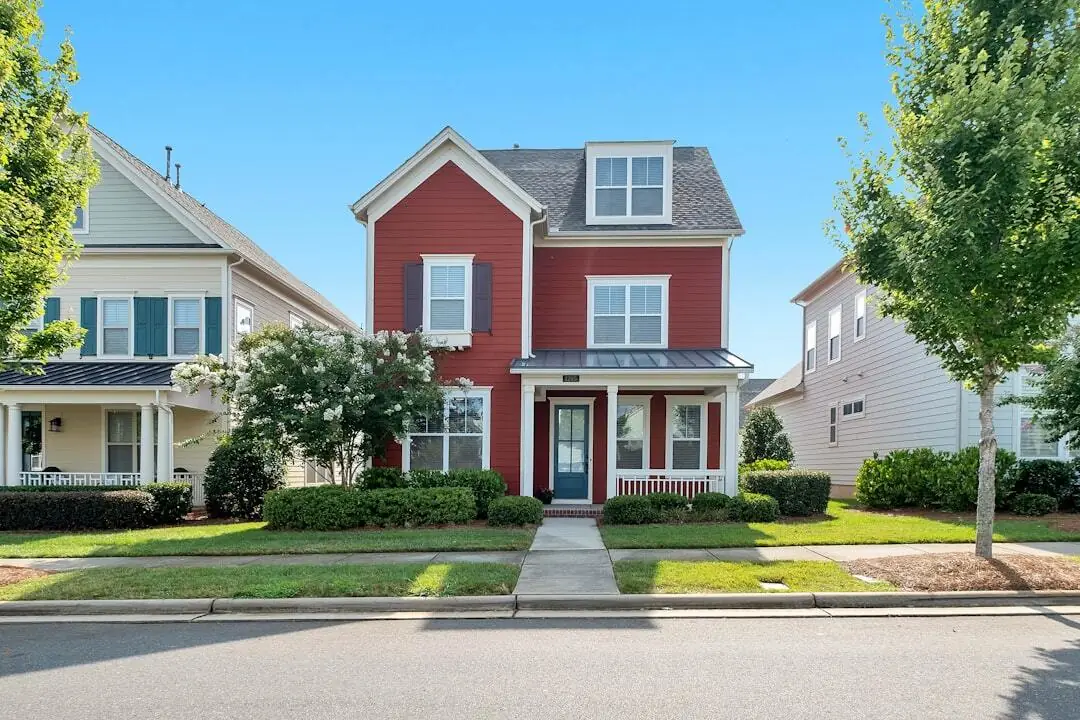
Centennial is one of the most sought-after communities in the entire South Denver metro area — and for good reason. With top-rated Arapahoe County schools, easy access to E-470 and I-25, beautiful neighborhoods tucked near the Highline Canal Trail, and a strong sense of community pride, it's the kind of place renters actively seek out. If you own a home here and have ever wondered what it might earn as a rental property, you're asking exactly the right question.
Whether you're relocating, inheriting a property, downsizing, or simply exploring your options as an investor, understanding your home's rental value is the critical first step. The answer isn't always obvious — and it's almost never as simple as checking one number online. Let's walk through what actually determines rental value in Centennial and how you can get a realistic picture of what your home could earn on today's market.
Why Centennial Is a Strong Rental Market Right Now
Centennial consistently attracts high-quality renters — working professionals, families with school-age children, and remote workers who want suburban comfort with quick access to Denver Tech Center employers. The DTC is just minutes up I-25, which makes neighborhoods like Willow Creek, Foxridge, and Smoky Hill perennial favorites for renters who commute or work nearby.
The city's parks, trails, and amenities also play a big role. Renters looking for lifestyle value are drawn to properties near Cherry Knolls Park, Centennial Center Park, or quick access to the Highline Canal Trail system. These aren't just nice extras — they genuinely influence what a renter is willing to pay each month.
Strong demand combined with relatively low rental vacancy rates in the South Denver metro means well-maintained homes in Centennial can command competitive rents. That's good news if you're considering making your property available to tenants.
The Key Factors That Determine Your Home's Rental Value
Rental value isn't just square footage times some magic number. It's a combination of factors that all interact with each other. The biggest drivers are location within Centennial, school district assignment, bedroom and bathroom count, garage access, and the overall condition and age of the home's major systems.
School district boundaries matter enormously here. Homes zoned for Cherry Creek School District — one of the highest-rated districts in Colorado — can often command meaningfully higher rents than comparable homes just outside those boundaries. A three-bedroom home near Cherry Creek High School or Grandview High School will likely attract more applicants and stronger offers than a similar home elsewhere.
Condition is equally important. Renters today are savvy. A home with updated kitchen finishes, newer appliances, fresh paint, and well-maintained landscaping will rent faster and for more money than a home that shows deferred maintenance. Your investment in the property directly affects your return.
How to Estimate Your Rental Rate: A Practical Starting Point
A common rule of thumb is that monthly rent tends to fall somewhere between 0.8% and 1.1% of a home's current market value. So if your Centennial home is worth around $550,000, a rough starting estimate might land between $4,400 and $6,050 per month — though the real number depends heavily on the factors we just discussed and current market conditions.
A more reliable approach is to look at comparable rental listings — often called 'rental comps' — in your immediate area. Sites like Zillow, Rentometer, and Apartments.com can give you a general picture, but they don't always reflect the nuances of your specific neighborhood, your home's condition, or seasonal demand shifts in Centennial.
The most accurate estimate comes from a professional rental market analysis performed by someone who actively manages properties in the area and knows current leasing activity firsthand. Generic online tools are a decent starting point, but they're no substitute for local expertise.
What Makes a Centennial Rental Property More (or Less) Profitable
Beyond the monthly rent itself, profitability depends on how well the property is managed. Vacancy periods, turnover costs, maintenance expenses, and tenant quality all affect your bottom line. A home that rents for $200 more per month but sits vacant for two months a year is actually earning less than a home priced strategically for quick placement.
Amenities that renters in Centennial consistently prioritize include attached garages (especially important during Colorado winters), updated bathrooms, in-unit laundry, and outdoor space. Homes with finished basements are particularly attractive to families who need the extra room and often justify a higher monthly rent.
Pet policies are another consideration. A large percentage of renters have pets, and homes that allow them — with appropriate deposits and lease protections in place — often rent faster and give you a wider applicant pool. This is a nuanced decision, but it's one worth thinking through carefully with someone who knows the local rental landscape.
Common Mistakes Homeowners Make When Setting a Rental Price
One of the most common mistakes is pricing based on what you need the property to earn rather than what the market will actually support. Your mortgage payment, investment goals, or emotional attachment to the home don't influence what a renter is willing to pay. Pricing too high leads to vacancy, and even one month of vacancy can wipe out months of extra rent income.
Pricing too low is equally problematic. Underpricing your Centennial rental doesn't just cost you money every month — it can also signal to prospective tenants that something might be wrong with the property, which can actually hurt your applicant quality rather than help it.
Another mistake is failing to account for your ongoing expenses when evaluating whether renting makes sense. Property taxes, insurance, HOA dues (which are common in many Centennial communities like Smoky Hill or Piney Creek), routine maintenance, and potential management fees all need to factor into your net return calculation.
Should You Self-Manage or Hire a Property Manager in Centennial?
Self-managing a rental can seem appealing from a cost perspective, but many homeowners underestimate how much time and expertise it actually requires — especially when something goes wrong. Colorado landlord-tenant law has specific requirements around security deposit handling, habitability standards, notice requirements, and lease disclosures. Getting any of these wrong can be costly.
A professional property manager handles tenant screening, lease preparation, rent collection, maintenance coordination, and legal compliance on your behalf. For many Centennial homeowners, the peace of mind and time savings are well worth the management fee — and a good property manager often pays for themselves by reducing vacancy and placing higher-quality tenants.
If you're an accidental landlord — someone who didn't necessarily plan to be in the rental business but ended up owning a property you're not ready to sell — professional management is often the difference between a stressful experience and a genuinely passive income stream.
If you own a home in Centennial and you're curious about what it could realistically earn as a rental, the best next step is a conversation with someone who knows this market inside and out. At PMI Little Town, we provide free rental market analyses for homeowners throughout the South Denver metro area — no pressure, no obligation, just real numbers based on real local data. Give us a call at 720.358.8307 or visit us at littletonpropertymanagementinc.com to get started. We'd love to help you figure out if renting your Centennial home makes sense for your situation.