
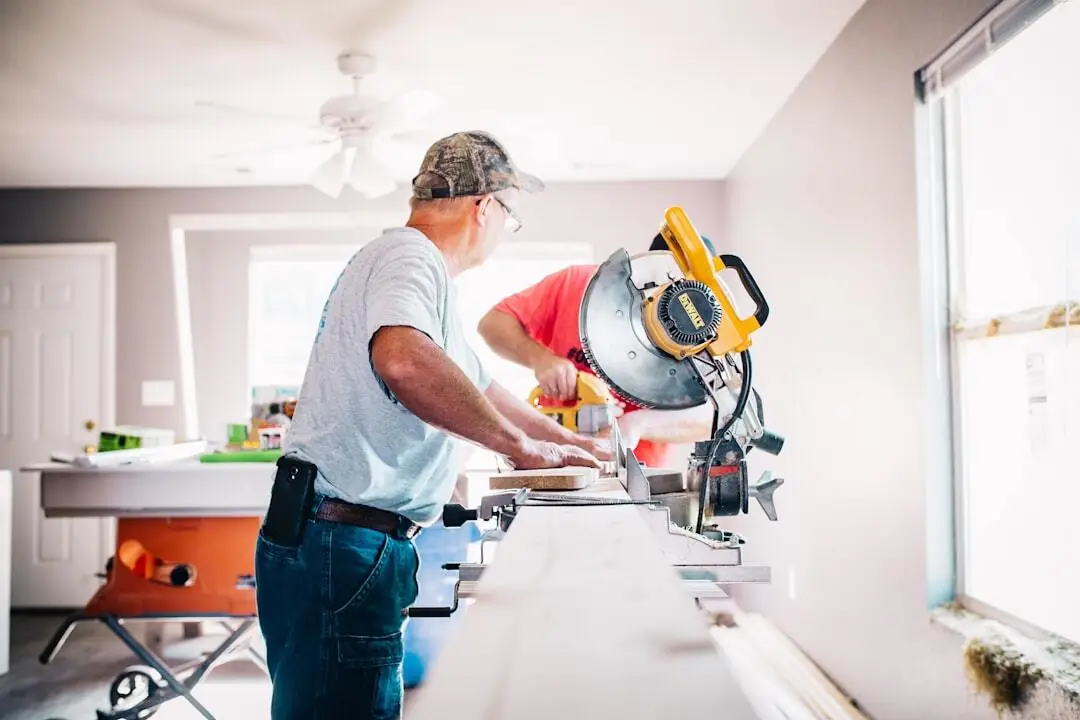
Owning a rental property in Lakewood is a genuinely exciting investment. From the established neighborhoods near Belmar to the tree-lined streets around Green Mountain, Lakewood attracts quality tenants who appreciate well-maintained homes — and they'll stay longer when landlords take care of the properties they love. But keeping a rental in great shape takes more than responding to the occasional broken faucet.
Whether you're a seasoned investor managing multiple units or an accidental landlord who inherited a home near Wadsworth Boulevard, having a solid maintenance strategy is one of the most important things you can do to protect your asset and keep your rental income steady. Here's what experienced Lakewood property managers know about doing maintenance right.
Make Seasonal Preventive Maintenance a Non-Negotiable
Lakewood's Front Range climate is beautiful, but it's also demanding on homes. Temperatures swing dramatically between seasons, and that freeze-thaw cycle — especially in neighborhoods that sit closer to the foothills like Solterra or the areas near South Kipling Parkway — can wreak havoc on roofing, siding, and foundation caulking if you're not paying attention.
Twice-yearly inspections, typically in the spring and fall, are the cornerstone of any smart maintenance plan. In the fall, that means checking the furnace and heating system before the first cold snap, clearing gutters of fallen leaves, inspecting weatherstripping around doors and windows, and ensuring the roof is intact after summer hailstorms. In the spring, you're looking at air conditioning systems, irrigation lines, and any damage that winter may have left behind.
Scheduling these inspections proactively — rather than waiting for something to fail — almost always saves money. A $150 HVAC tune-up in October is far cheaper than an emergency heating repair call in January. Your tenants will appreciate the attention, and your property will thank you for it.
Build a Reliable Local Vendor Network
One of the biggest differences between landlords who thrive and those who constantly feel overwhelmed is having a trusted team of local contractors ready to go. In a city as active as Lakewood, good plumbers, electricians, and HVAC technicians can get booked out quickly — especially after a major weather event hits the metro area.
Take the time to vet and build relationships with vendors before you need them urgently. Look for contractors who are licensed and insured in Colorado, who are familiar with the types of homes common in Lakewood — whether that's mid-century ranch-styles near Alameda Avenue or newer construction in the Westland neighborhoods — and who respond promptly and communicate clearly.
Having two or three reliable vendors in each trade category gives you flexibility and protects you from being left in a difficult spot when one is unavailable. Treat your vendors well, pay promptly, and they'll often prioritize your calls when it matters most.
Respond to Tenant Maintenance Requests Quickly and Professionally
Under Colorado law, landlords are required to maintain rental properties in habitable condition, which means timely responses to maintenance requests aren't just good practice — they're a legal obligation. But beyond the legal side, fast responses are one of the top drivers of tenant satisfaction and lease renewals.
Set clear expectations from day one. Your lease agreement should outline how tenants submit maintenance requests, what qualifies as an emergency versus a routine repair, and realistic timeframes for each. A simple online portal or even a dedicated email address makes it easy for tenants to report issues and for you to document everything.
Lakewood tenants, like most renters across the South Denver metro, have plenty of options. If they feel ignored or that their home isn't being cared for, they'll move on when their lease is up. A well-maintained home with a responsive landlord is a powerful retention tool — and tenant turnover is one of the most expensive things that can happen to your bottom line.
Conduct Move-In and Move-Out Inspections with Thorough Documentation
Detailed property inspections at the beginning and end of every tenancy are essential for protecting your investment and avoiding security deposit disputes. This is one area where many well-intentioned landlords cut corners — and pay for it later.
A thorough move-in inspection should include timestamped photos and written notes for every room, appliance, fixture, wall, floor, and exterior surface. Share the completed report with your tenant and have them sign it. This sets a clear baseline and makes it much easier to distinguish normal wear and tear from actual tenant-caused damage when they eventually move out.
For a Lakewood rental — whether it's a single-family home backing up to Kendrick Lake Park or a condo near Union Square — the condition of exterior features like fencing, patios, and landscaping matters too. Include these in your documentation. Colorado courts and arbitration processes take documentation seriously, and landlords who come prepared with clear evidence are in a far stronger position.
Budget for Maintenance Before You Need It
A common mistake among newer landlords is treating rental income as pure profit without setting aside a maintenance reserve. Properties age, systems fail, and unexpected repairs happen — that's simply the reality of owning real estate. Planning for these costs financially means they don't blindside you.
A widely used rule of thumb is to reserve between one and two percent of your property's value per year for maintenance and repairs. For a $450,000 Lakewood rental home, that's $4,500 to $9,000 annually. That might sound like a lot, but consider that a single roof replacement, water heater failure, or sewer line issue can easily run several thousand dollars on its own.
Thinking of maintenance reserves as a built-in operating expense — rather than an unwelcome surprise — also helps you price your rent appropriately and evaluate the true performance of your investment. Properties near Lakewood's commercial corridors on Colfax Avenue or Federal Boulevard tend to attract tenants who want move-in-ready homes, and maintaining that standard protects your market value too.
Know When Professional Property Management Makes Sense
There's a point for many Lakewood landlords where the time, stress, and complexity of managing maintenance on their own outweighs the savings of doing it themselves. If you're managing multiple properties, living out of state, working a demanding full-time job, or simply want more peace of mind, professional property management is worth serious consideration.
A good property management company brings vendor relationships, maintenance systems, inspection protocols, and legal knowledge that most individual landlords simply don't have the bandwidth to develop on their own. They handle the 10 p.m. phone calls, coordinate the emergency repairs, and keep detailed records — so you don't have to.
Lakewood's rental market continues to grow, and property values in Jefferson County have remained strong. Protecting that investment with a proactive, professional maintenance approach isn't an expense — it's how smart landlords stay profitable for the long haul.
Staying on top of maintenance is one of the most impactful things you can do as a Lakewood rental property owner — and it doesn't have to feel overwhelming with the right systems in place. If you'd like guidance on building a maintenance plan, finding reliable vendors, or simply want to hand off the day-to-day management to a trusted local team, PMI Little Town is here to help. Give us a call at 720.358.8307 or visit littletonpropertymanagementinc.com to learn more about how we support landlords throughout Lakewood and the greater South Denver metro.