
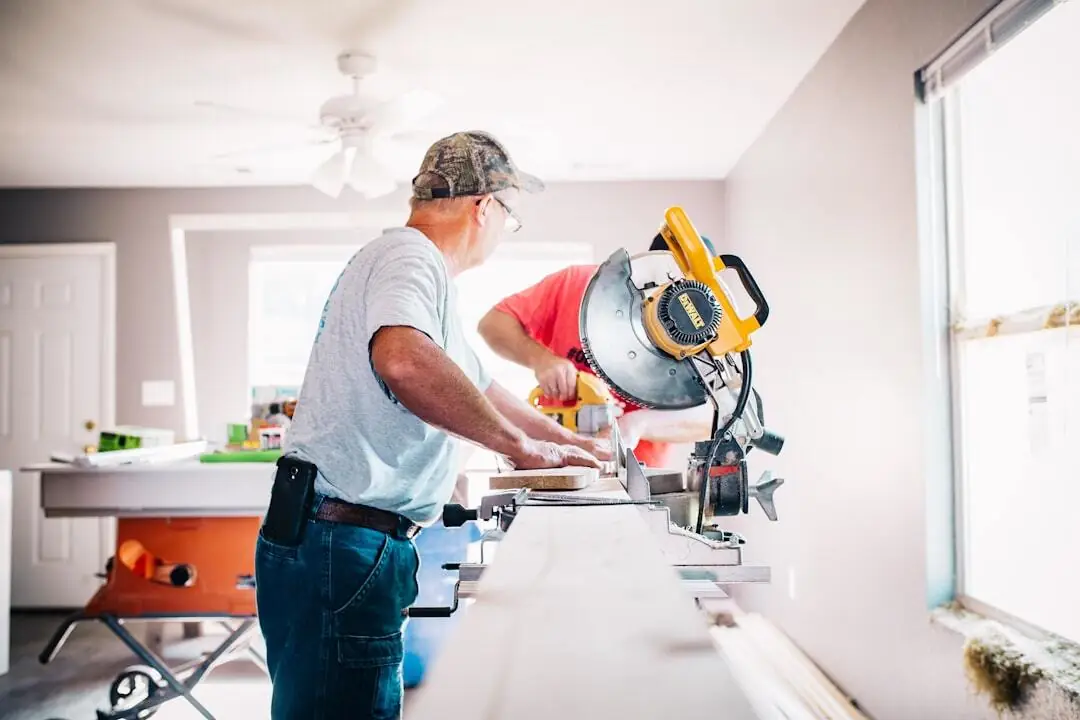
Owning a rental property in Lakewood is a rewarding investment — whether your home sits near the tree-lined streets of Belmar, overlooks Green Mountain, or is tucked into one of the established neighborhoods along Morrison Road. But keeping that investment in top shape takes more than a quick coat of paint between tenants. A thoughtful, proactive maintenance strategy is one of the most powerful tools a landlord can have.
Lakewood's climate does a number on properties over time. Hot, dry summers, dramatic temperature swings in spring and fall, and the occasional heavy snowstorm in winter all put wear on roofs, HVAC systems, and landscaping. The good news? With the right approach, most of that wear is manageable — and even preventable. Here's a practical guide to maintenance best practices that Lakewood landlords can put to work right now.
Start With a Seasonal Maintenance Calendar
The Front Range's four distinct seasons give Lakewood landlords a natural framework for staying on top of property upkeep. Building a simple seasonal checklist — and actually using it — can prevent the kind of deferred maintenance that turns a $200 fix into a $2,000 emergency.
In the fall, focus on gutters, weatherstripping, and furnace inspections before the cold sets in. Lakewood's winters can bring heavy, wet snow, so checking roof condition and ensuring attic insulation is adequate is time well spent. Spring is ideal for inspecting exterior paint, checking sprinkler systems, and walking the property after freeze-thaw cycles have had their way with concrete and walkways.
Summer in Lakewood often brings dry spells that stress landscaping, so this is the time to assess irrigation efficiency and trim back any overgrown vegetation near the foundation. A property that looks well-maintained from the street on Wadsworth Boulevard or Union Avenue attracts and retains quality tenants — and that directly affects your bottom line.
Prioritize HVAC System Care
Heating and cooling systems are among the most expensive components in any rental property, and Lakewood's climate demands they work hard year-round. Tenants will absolutely notice — and call — when the heat fails during a January cold snap or the AC gives out during a July heat wave. Routine HVAC maintenance is one of the highest-return investments a landlord can make.
Schedule professional HVAC inspections twice a year: once in the spring before cooling season and once in the fall before heating season. Make sure filters are being changed regularly — this is something you can include in your lease as a tenant responsibility, though many experienced landlords prefer to handle it themselves to ensure it actually gets done.
For older properties in Lakewood's established neighborhoods, consider budgeting for eventual system replacement rather than waiting for a breakdown. Proactive planning protects you from emergency service calls at premium rates and keeps your tenants comfortable, which is a key driver of lease renewals.
Address Water Issues Before They Become Disasters
Water damage is one of the most destructive and costly problems a rental property can face. In Lakewood, where many homes were built in the 1960s through 1980s, aging plumbing and drainage systems deserve extra attention. A slow leak behind a wall or under a sink can go unnoticed for months — and by the time it's visible, the damage is already significant.
Walk your property regularly with an eye toward moisture: check under sinks, around toilets, near water heaters, and along basement walls. Make sure downspouts direct water at least five feet away from the foundation, especially in areas near Bear Creek or other low-lying pockets where drainage can be a concern during heavy rains.
Encourage tenants to report leaks and drips promptly by making it clear that small issues are easy to fix and won't result in blame or fees. A tenant who feels comfortable reporting a dripping faucet right away is protecting your property. Many landlords include a simple maintenance request process in their welcome packet so renters know exactly how and where to reach out.
Build a Reliable Network of Local Vendors
One of the biggest differences between landlords who feel constantly stressed and those who manage smoothly is the quality of their vendor network. Having a trusted plumber, electrician, HVAC technician, and general handyman who knows your property — and responds promptly — is invaluable when something goes wrong at 9 p.m. on a Friday.
In a growing market like Lakewood, where new developments are rising near areas like Belmar and along the West Colfax corridor, good contractors are in high demand. Building relationships before you need them urgently means you're a known client, not a cold call during a busy week. Ask for recommendations from other local landlords, check reviews on community forums, and always verify licensing and insurance.
Aim to have at least two vendors in each trade so you're never left in the lurch if your first call isn't available. Keep their contact information somewhere accessible and make sure anyone managing the property on your behalf has it too. A fast response to maintenance issues is one of the top factors in tenant satisfaction surveys — and satisfied tenants renew leases.
Conduct Regular Property Inspections
Preventive inspections are one of the most underused tools in a landlord's toolkit. Many property owners wait for a tenant to report a problem or discover issues only when a tenant moves out — and by then, what could have been a minor repair has often compounded into something far more expensive.
A good rule of thumb is to conduct a documented inspection at lease signing, at the six-month mark, and at move-out. Colorado law allows landlords to enter rental properties with proper notice — typically 24 hours — so scheduling these inspections is straightforward when communicated professionally and respectfully. Use a consistent checklist and take dated photos to document conditions over time.
In Lakewood's competitive rental market, properties near popular destinations like Belmar Park, the Jefferson County government campus, or the light rail stations along the W Line attract quality long-term tenants. Regular inspections help you maintain the property condition that keeps those tenants happy and helps you command strong market rents when it's time to re-lease.
Set Aside a Maintenance Reserve Fund
Even the best preventive maintenance program won't eliminate unexpected repairs entirely. A water heater gives out. A hailstorm damages the roof. A tenant accidentally breaks a window. These things happen, and the landlords who handle them calmly and quickly are the ones who have money set aside for exactly these moments.
A commonly cited guideline is to reserve between one and two percent of the property's value annually for maintenance and repairs. On a $450,000 Lakewood home — which is right in line with current market values in many parts of the city — that means setting aside $4,500 to $9,000 per year. It may feel like a lot upfront, but it provides peace of mind and prevents you from having to make reactive financial decisions under pressure.
Treat the reserve fund as a non-negotiable operating expense rather than optional savings. Landlords who underfund maintenance tend to delay repairs, which frustrates tenants, accelerates property deterioration, and can even create legal liability under Colorado's landlord habitability requirements. A well-funded reserve is good business practice and good tenant relations all at once.
Maintaining a rental property in Lakewood doesn't have to feel overwhelming — it just takes a consistent system, the right vendors, and a commitment to staying ahead of problems rather than reacting to them. If you'd rather hand off the day-to-day maintenance coordination, tenant communication, and vendor management to an experienced local team, PMI Little Town is here to help. Give us a call at 720.358.8307 or visit littletonpropertymanagementinc.com to learn how we support Lakewood landlords in protecting their investments and keeping their tenants happy year-round.