
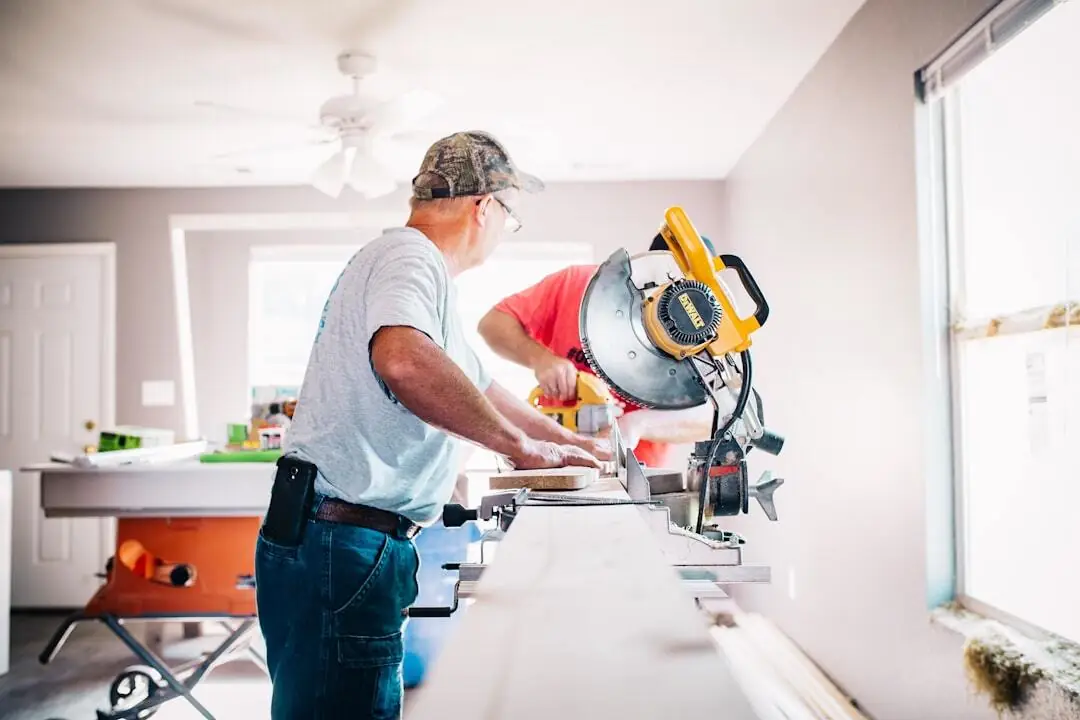
Owning a rental property in Lakewood is a genuinely rewarding investment. With easy access to the mountains via Highway 285, a thriving dining and arts scene along Colfax Avenue, and proximity to popular green spaces like Bear Creek Lake Park and Green Mountain, Lakewood attracts quality long-term tenants who take pride in where they live. But keeping those tenants happy — and protecting your investment — means staying on top of property maintenance before small issues become expensive problems.
Whether you inherited a rental near the Belmar shopping district or purchased a fix-and-flip close to the William Hayden Green subdivision, the fundamentals of smart property maintenance are the same. A well-maintained rental reduces vacancy, minimizes costly emergency repairs, and helps you stay compliant with Colorado landlord-tenant law. Here's what every Lakewood rental property owner should know.
Build a Seasonal Maintenance Calendar
Colorado's climate puts real demands on rental properties, and Lakewood is no exception. Sitting at roughly 5,400 feet of elevation, the area experiences dramatic seasonal swings — from summer hailstorms that can shred a roof or ding gutters to bitter January cold snaps that can freeze pipes and strain furnaces. A proactive seasonal maintenance calendar is your best defense against these recurring threats.
In the fall, prioritize furnace inspections, gutter cleaning, weatherstripping checks, and sprinkler winterization. Lakewood's older neighborhoods — especially those near Edgewater and the older streets off Wadsworth Boulevard — often have mature trees that drop significant leaf loads into gutters. Clogged gutters lead to ice dams and water intrusion, so don't skip this one.
Come spring, walk the entire exterior looking for winter damage. Check the roof, fascia, and window caulking. Test smoke and carbon monoxide detectors, and schedule an HVAC tune-up before the summer cooling season hits. A consistent calendar means you're rarely caught off guard, and tenants see that you're a responsive, professional landlord.
Conduct Regular Property Inspections
Routine inspections are one of the most powerful tools in a landlord's toolkit. In Colorado, landlords are permitted to conduct periodic inspections with proper notice — typically 24 hours — and doing so at least twice a year can catch deferred maintenance issues before they compound. Think of inspections as a relationship-building opportunity as much as a management task.
During a walkthrough, look for signs of moisture around windows, under sinks, and in the basement if applicable. Water damage is particularly sneaky in Lakewood's older ranch-style homes, many of which were built in the 1950s and 60s and may have aging plumbing or compromised caulking around tubs and showers. Early detection is always far cheaper than remediation.
Document everything with dated photos. This protects both you and your tenant when it comes time to assess security deposit deductions at move-out. A clear move-in condition report paired with a thorough move-out inspection makes the process transparent and reduces disputes significantly.
Respond to Repair Requests Quickly and Professionally
In Colorado, landlords are required by law to maintain rental units in a habitable condition, which includes working heat, plumbing, and structural soundness. Failing to respond to legitimate repair requests in a reasonable timeframe can expose you to legal liability, including the possibility of tenants withholding rent or making repairs themselves and deducting costs. But beyond the legal side, responsiveness simply builds trust.
Set up a clear maintenance request system — whether that's a dedicated email address, an online portal, or a property management platform — so tenants always know how to reach you. Acknowledge every request promptly, even if the actual repair takes a day or two to schedule. Tenants near busy corridors like Alameda Avenue or Union Boulevard are generally savvy renters who have options, and a landlord who communicates well earns loyalty.
For non-emergency items, aim to resolve issues within three to five business days. True emergencies — no heat in January, a burst pipe, gas leaks — require same-day or next-day action. Having a vetted list of reliable local contractors for plumbing, HVAC, and electrical work in the Lakewood area means you're never scrambling when something urgent comes up.
Build Your Local Vendor Network
Having trusted, licensed contractors on speed dial is one of the biggest advantages a seasoned Lakewood landlord can have. The metro Denver trades market can be tight, and the best contractors book up fast — especially after major weather events like the hailstorms that frequently roll through Jefferson County in late spring and early summer. Relationships built over time mean you get prioritized.
Look for licensed, insured contractors who are familiar with Lakewood's housing stock. Many properties west of Sheridan Boulevard have older electrical panels, original cast-iron drains, or swamp coolers rather than central air — quirks that a contractor who knows the area will handle efficiently. Ask for referrals from other local landlords, check Google reviews, and always verify licensing through the Colorado Department of Regulatory Agencies.
Beyond emergency trades, establish relationships with a reliable landscaper and a cleaning crew you trust. Curb appeal matters in neighborhoods like Eiber and Glennon Heights, where community pride is high and neighbors notice. A well-kept lawn and tidy exterior signal to prospective tenants that the property is professionally managed — which helps you attract and retain quality renters.
Budget Smartly for Maintenance and Capital Improvements
A common rule of thumb is to set aside one to two percent of the property's value annually for maintenance and repairs, though older properties in Lakewood may warrant budgeting on the higher end of that range. Many rental homes in the 80226 and 80232 zip codes were built decades ago and may have roofs, water heaters, and HVAC systems approaching the end of their useful lives. Knowing your systems' ages and planning proactively is far better than scrambling to cover a $6,000 furnace replacement mid-winter.
Separate your budget into routine maintenance (landscaping, filter replacements, pest control) and capital reserves (roof, HVAC, appliance replacement, exterior paint). A capital reserve fund means you're never dipping into personal savings or delaying critical repairs because the money isn't there. It also makes your rental business easier to scale if you're thinking about adding more properties in the South Denver area.
Track every maintenance expense carefully. Not only does this help with tax preparation — most maintenance and repair costs are deductible for rental properties — but it also gives you data over time. If a particular property is consistently draining your maintenance budget, that's valuable information for your next purchase decision or your conversation with a property manager about what the asset truly costs to operate.
Know When to Bring in Professional Property Management
Many Lakewood landlords start out self-managing one or two properties and do a solid job of it. But as life gets busier — or as you add more units — the coordination of inspections, vendor calls, tenant communications, and legal compliance can quietly become a second job. If you're lying awake wondering whether the furnace filter got changed or whether your lease is up to date with Colorado's latest requirements, it may be time to reconsider your approach.
A professional property management company handles the day-to-day details: routine inspections, 24/7 maintenance coordination, vendor scheduling, and detailed documentation that protects you legally. For landlords with properties near the light rail stations along the W Line — which runs right through Lakewood connecting to Denver — turnover can be frequent, making consistent maintenance systems especially important for keeping units rent-ready quickly.
The cost of professional management is often offset by reduced vacancy, better-maintained properties, and the peace of mind that comes from knowing a local expert has your back. For many Lakewood rental owners, it's not a luxury — it's a smart business decision.
Maintaining a rental property in Lakewood doesn't have to be stressful or reactive. With the right systems, a trusted vendor network, and a proactive mindset, you can protect your investment, keep great tenants in place, and enjoy the financial rewards of owning rental real estate in one of Jefferson County's most desirable communities. If you'd like help putting those systems in place — or simply want to talk through what professional property management might look like for your Lakewood rental — the team at PMI Little Town is always happy to have that conversation. Give us a call at 720.358.8307 or visit us at littletonpropertymanagementinc.com to learn more about how we support local rental property owners across the South Denver metro area.