
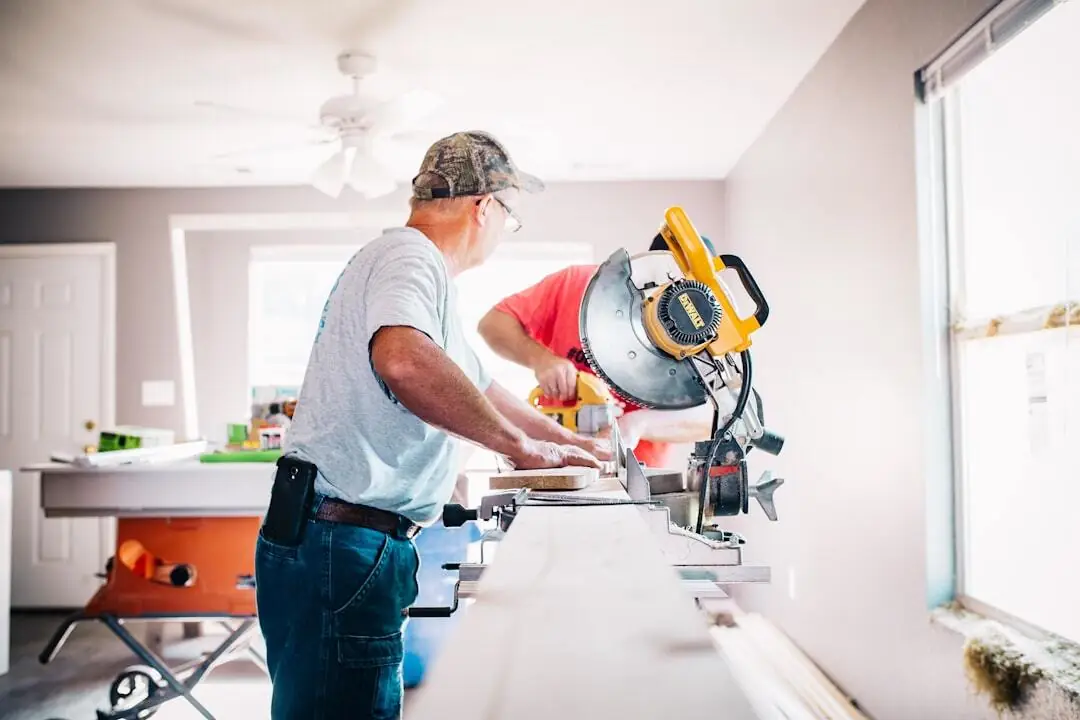
Owning a rental property in Lakewood, Colorado is a genuinely rewarding investment — whether your home sits near the trails of Green Mountain, the bustling shops along Wadsworth Boulevard, or the quiet tree-lined streets of Applewood. But keeping that investment in great shape requires more than just collecting rent each month. A thoughtful, proactive maintenance strategy is what separates landlords who thrive from those who find themselves constantly putting out fires.
At PMI Little Town, we work with Lakewood property owners every day, and we've seen firsthand how a consistent maintenance approach protects property values, reduces vacancy, and keeps good tenants renewing their leases year after year. Whether you're a seasoned investor or an accidental landlord who inherited a property, the best practices below will help you stay ahead of problems before they become expensive headaches.
Build a Seasonal Maintenance Calendar
Colorado's climate is beautiful, but it puts real demands on your rental property across all four seasons. Lakewood sits at roughly 5,400 feet of elevation, which means everything from roof shingles to exterior paint takes a beating from intense UV rays, hail storms, and dramatic temperature swings. The best way to stay ahead of this is to build a seasonal maintenance calendar and actually stick to it.
In the spring, schedule an inspection of your roof and gutters after the freeze-thaw cycles of winter. Summer is the time to check irrigation systems, inspect window seals, and make sure AC units are serviced before July heat arrives. Fall is critical — clean gutters of leaves, service the furnace, and check weatherstripping around doors and windows before the cold sets in. Winter prep should include insulating exposed pipes and confirming that smoke and carbon monoxide detectors are working properly.
A written calendar takes the guesswork out of ownership. You won't need to remember what got done last October because you'll have a record. This also becomes valuable documentation if you ever need to demonstrate due diligence to an insurance company or in a tenant dispute.
Prioritize Preventive Maintenance Over Reactive Repairs
The golden rule of property maintenance is simple: a small problem ignored today becomes a large, expensive problem tomorrow. A slow drip under the kitchen sink turns into water damage behind the cabinets. A cracked driveway in front of your Lakewood rental becomes a full replacement job if freeze-thaw cycles are allowed to work on it for another two winters. Preventive maintenance costs a fraction of what reactive repairs do.
Start by identifying the systems in your property that are most likely to fail or degrade: HVAC units, water heaters, roof, plumbing fixtures, and appliances. Each of these has a predictable lifespan. A standard water heater lasts 8 to 12 years; an HVAC system typically runs 15 to 20 years with proper servicing. Tracking the age of these systems lets you plan and budget rather than scramble.
Communicate with your tenants about this philosophy too. When residents know you take maintenance seriously and respond quickly to requests, they're more likely to report minor issues early — before those issues escalate. A tenant who trusts their landlord is an asset to your preventive maintenance program.
Conduct Regular Property Inspections
Many Lakewood landlords are surprised to discover issues they never knew existed simply by doing a routine walkthrough. Regular inspections — typically two to three times per year — give you the chance to catch deferred maintenance, identify lease violations, and check in on the overall condition of the property. These visits should always be scheduled in advance with proper notice to your tenants, in compliance with Colorado's landlord-tenant laws.
During an inspection, look beyond the obvious. Check under sinks for moisture, test GFCI outlets in kitchens and bathrooms, look at caulking around tubs and showers, and peek into the mechanical room to assess the condition of the water heater and furnace. In older Lakewood homes — especially those built in the 1960s and 70s in neighborhoods like Morse Park or Eiber — watch for signs of aging electrical panels or galvanized plumbing.
Document everything with time-stamped photos. A photo record of your property's condition at each inspection creates a clear baseline that protects you if there's ever a dispute over security deposit deductions or damage claims at the end of a tenancy.
Build a Reliable Network of Local Vendors
One of the biggest pain points for self-managing landlords in the Lakewood area is not having a trusted vendor when something breaks — especially on a Friday evening or over a long weekend. Scrambling to find an available plumber after a pipe bursts leads to rushed decisions and inflated emergency rates. Building your vendor network before you need it changes everything.
Invest time in finding reliable, licensed, and insured contractors for the essential trades: plumbing, HVAC, electrical, roofing, and general handyman work. Ask for references, verify licenses through the Colorado Secretary of State's website, and run small jobs through them before they're handling an emergency. Local vendors who know the Lakewood area — and are familiar with the quirks of homes near Belmar or along the West Colfax corridor — are often worth more than the cheapest option you find online.
Also keep a list of 24-hour emergency contacts for situations that can't wait. Water intrusion, heating failures in January, and electrical hazards are tenant safety issues that require immediate response. Being prepared with a call list shows your tenants you take their well-being seriously and helps you avoid potential liability.
Respond to Maintenance Requests Quickly and Professionally
Under Colorado law, landlords have a responsibility to maintain rental properties in a habitable condition, and failure to address certain repair requests within a reasonable timeframe can expose you to serious legal and financial consequences. Beyond the legal requirements, response time is one of the top factors tenants cite when deciding whether to renew a lease — and in a competitive Lakewood rental market, retention matters.
Set up a clear, easy-to-use system for tenants to submit maintenance requests. Whether that's a simple email address, an online portal, or a property management platform, the key is that requests are logged, tracked, and followed up on. Acknowledge requests within 24 hours, even if just to confirm you've received the message and are working on a solution. That simple acknowledgment goes a long way toward tenant satisfaction.
For urgent issues — no heat, water leaks, pest infestations, or safety hazards — treat them as immediate priorities regardless of the day or time. For routine repairs, aim to complete them within three to five business days. Keeping tenants informed throughout the process builds trust and reduces friction, even when repairs take longer than expected.
Budget Strategically for Maintenance Costs
One of the most common mistakes Lakewood landlords make is underestimating how much they need to set aside for maintenance and repairs. A good rule of thumb is the 1% rule: budget approximately 1% of your property's value per year for maintenance. On a $450,000 Lakewood rental, that's around $4,500 annually. Some years you'll spend less; other years — when the roof needs attention or the furnace gives out — you'll be glad you saved it.
Consider keeping a dedicated maintenance reserve account separate from your operating account. This creates a mental and financial firewall that prevents you from accidentally spending your repair fund on other expenses. When the unexpected happens — and in a Colorado climate, it always eventually does — you'll have the resources to respond without dipping into personal savings or running up credit.
As your portfolio grows, revisit this budget regularly. Older properties generally require more maintenance than newer ones, and properties near busy commercial corridors like Alameda Avenue may see different wear patterns than quieter residential neighborhoods. Tailoring your reserve budget to the specific characteristics of each property is a sign of a mature, strategic approach to ownership.
Maintaining a rental property in Lakewood is ultimately about protecting your investment and building genuine goodwill with the people who call your property home. When maintenance is handled proactively, professionally, and with clear communication, everyone wins — tenants stay longer, costs stay lower, and your asset appreciates over time. If you'd rather not manage all of this yourself, PMI Little Town is here to help. We handle everything from routine inspections and vendor coordination to 24-hour emergency response for Lakewood rental owners. Give us a call at 720.358.8307 or visit littletonpropertymanagementinc.com to learn more about how we can take the stress out of owning a rental property in the South Denver metro area.