
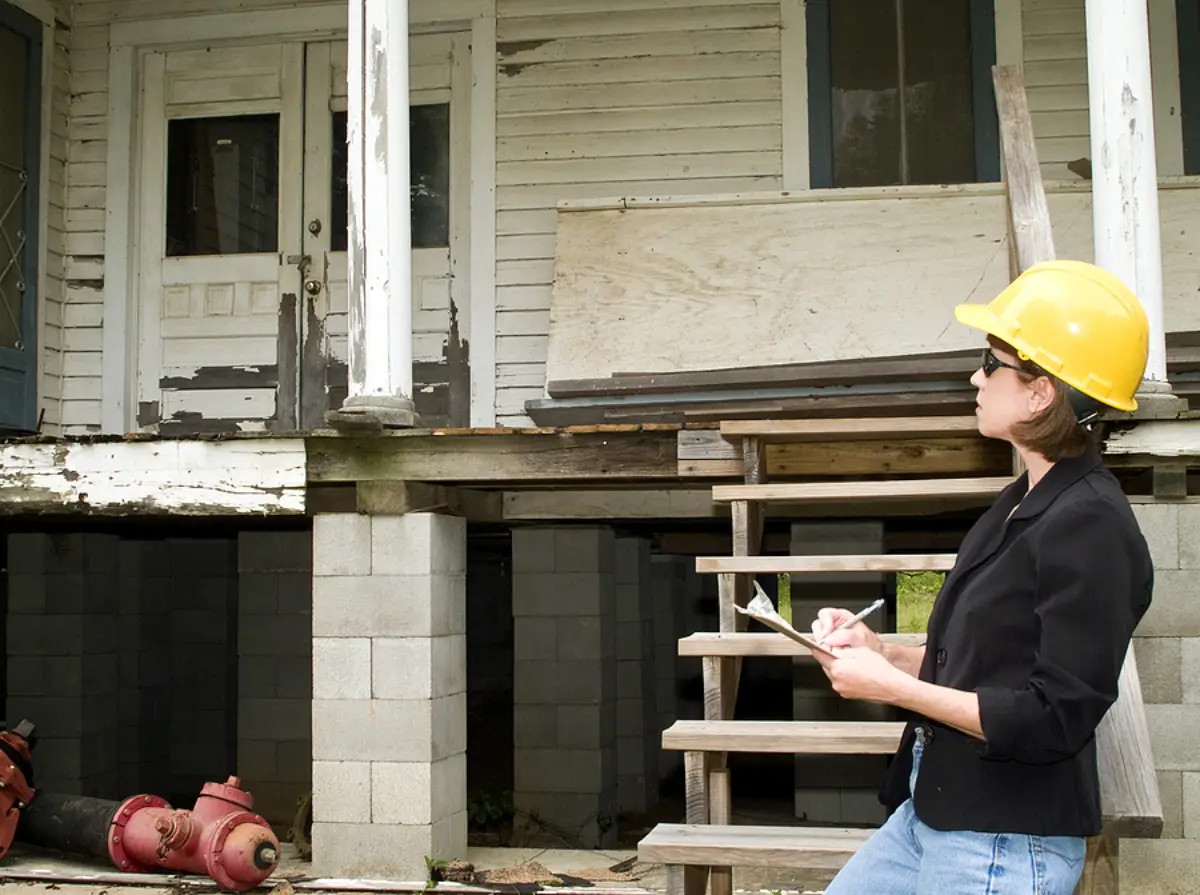
One tenant may leave a property looking nearly untouched, while another can expose weaknesses in materials that seemed like excellent investments during renovation planning. Owners who follow smart home technology trends often focus on attracting renters, yet the bigger question is how those improvements perform after years of occupancy. A renovation's long-term value depends on more than appearance. It depends on durability, maintenance requirements, and the ability to withstand repeated tenant use.
Over multiple lease cycles, even premium upgrades can begin showing signs of decline. Flooring, fixtures, cabinetry, and decorative finishes all face daily wear that can gradually reduce their practicality. Understanding which expensive renovations tend to lose their effectiveness over time can help Littleton property owners make more informed investment decisions.
Key Takeaways
- Certain premium renovations experience faster wear in rental environments.
- Repeated tenant turnover can increase maintenance and replacement costs.
- Durable materials often provide better long-term returns.
- Flexible and timeless design choices usually remain useful longer.
- Practical upgrades help reduce future operational expenses.
Why Rental Wear Changes the Renovation Equation
The conditions inside a rental property are often very different from those in owner-occupied homes. Multiple tenants, furniture moves, routine maintenance visits, and everyday use create constant pressure on building materials.
The U.S. Census Bureau reported a rental vacancy rate of 7.1% in Q3 2025, reflecting continued demand across rental markets. Higher occupancy levels mean less downtime and more wear on surfaces throughout the property.
As a result, some renovations that initially appear worthwhile may become less practical after several years of use.
Hardwood Floors Can Require More Attention Than Expected
Natural hardwood flooring remains a popular choice because it adds character and visual appeal. However, rental conditions can be challenging for wood surfaces.
Scratches from furniture movement, dents from everyday use, and damage caused by pet activity can gradually diminish appearance. Refinishing often becomes necessary, increasing both maintenance costs and vacancy time.
Why Many Owners Choose Alternative Flooring
Several flooring products have become popular because they offer:
- Better scratch resistance
- Easier cleaning during turnovers
- Lower maintenance requirements
- Reduced replacement expenses
Property owners exploring pet-friendly leasing options often find that durable flooring provides advantages beyond appearance alone.
Luxury Carpet May Have a Shorter Lifespan Than Anticipated
Premium carpeting can create a comfortable atmosphere, but it often struggles to maintain its condition through repeated tenant turnover.
High-traffic areas commonly develop visible wear patterns. Stains, odors, and flattened fibers can remain even after professional cleaning services.
Long-Term Considerations for Carpet Installation
Several factors contribute to accelerated carpet deterioration.
Frequent Cleaning Cycles
Repeated cleaning can gradually affect carpet fibers.
Furniture Rearrangement
Heavy furniture may leave lasting impressions.
Daily Foot Traffic
Consistent use accelerates wear in common living areas.
Many investors use a rental performance review before selecting flooring materials to better evaluate long-term ownership costs.
Custom Cabinets Often Create Repair Challenges
Custom cabinetry may enhance a property's appearance, but maintaining those finishes over time can become increasingly difficult.
Cabinet doors, handles, and drawer fronts receive constant use. Chips, scratches, and fading can become noticeable after several lease cycles.
Simpler Designs Often Deliver Better Results
Property owners frequently benefit from cabinet styles that prioritize practicality.
Easier Maintenance
Standard finishes simplify touch-ups and repairs.
Wider Appeal
Neutral colors remain attractive to more renters.
Better Product Availability
Replacement parts are often easier to locate.
Owners reviewing real estate appraisal considerations often recognize that condition and functionality remain important factors in preserving property value.
Decorative Fixtures Can Increase Long-Term Costs
Designer lighting and specialty hardware can elevate a property's appearance, but they often create future maintenance complications.
According to the U.S. Energy Information Administration, lighting accounts for approximately 3.4% of electricity use in residential properties. Because fixtures are used daily, durability becomes an important consideration.
When decorative products become discontinued, replacement components can be difficult to source.
Common Issues Associated With Specialty Fixtures
Property owners may face:
- Limited product availability
- Higher replacement expenses
- Longer repair timelines
- Compatibility concerns
Standardized fixtures frequently simplify maintenance while maintaining a clean and modern appearance.
Trend-Driven Kitchens Can Become Dated Quickly
Kitchen renovations often represent one of the largest investments in a rental property. However, design trends rarely remain popular forever.
Bold cabinet colors, specialty backsplashes, and unique finishes may attract attention today but can lose appeal within a relatively short period.
Features That Tend to Remain Relevant
Functional Layouts
Efficient designs improve daily usability.
Neutral Finishes
Simple color schemes appeal to a wider audience.
Durable Surfaces
Long-lasting materials reduce maintenance concerns.
Many owners researching home warranty considerations also evaluate how renovation choices may affect future repair obligations.
Built-In Features Can Reduce Rental Flexibility
Custom-built-ins often reflect specific design preferences. While they may work well for one tenant, they can limit options for the next.
Permanent shelving, integrated desks, and specialized storage systems can restrict room functionality and furniture placement.
Adaptability Supports Long-Term Occupancy
Flexible layouts generally offer several advantages.
- Broader tenant appeal
- Easier future updates
- More furniture arrangement options
- Lower renovation costs later
Properties that accommodate different lifestyles often remain attractive to a wider pool of prospective renters.
Luxury Bathrooms Can Become Maintenance Hotspots
Bathrooms experience heavy daily use, making material selection particularly important.
Premium shower enclosures, specialty plumbing fixtures, and high-end surfaces often require more maintenance than standard alternatives. Water exposure and regular cleaning gradually affect appearance and functionality.
Owners who utilize project planning services frequently prioritize materials that balance aesthetics with durability.
Bathroom Features That Often Last Longer
Moisture-Resistant Materials
Durable products generally perform better in wet environments.
Standard Fixtures
Common replacement parts simplify repairs.
Easy-to-Clean Surfaces
Simple finishes help streamline turnovers.
Many landlords also rely on property owner resources to guide long-term maintenance and renovation planning decisions.
FAQs about Rental Renovations in Littleton, CO
Which renovation mistakes are most difficult to reverse once tenants begin occupying the property?
Permanent design choices such as custom-built-ins, highly specific layouts, and specialty finishes can be expensive to modify later. These features may limit flexibility when future tenants have different preferences or space requirements.
Can a renovation become outdated before it physically wears out?
Yes. Some upgrades remain functional but lose appeal because design preferences change over time. Features tied to short-term trends may require updating sooner than expected to remain competitive in the rental market.
Why do some landlords avoid highly specialized materials in rental homes?
Specialized materials often require unique cleaning methods, repair procedures, or replacement products. When those resources become difficult to obtain, routine maintenance can become more expensive and time-consuming.
How does tenant behavior influence the lifespan of property upgrades?
Different tenants use spaces differently, making wear patterns difficult to predict. Renovations that perform well under a variety of living habits typically provide stronger long-term value for rental property owners.
What should owners consider besides installation cost when comparing renovation options?
Factors such as future maintenance needs, repair complexity, expected lifespan, cleaning requirements, and replacement availability can have a significant effect on the overall cost of ownership long after installation is complete.
Looking Further Than Installation Day
A renovation's true performance is measured years after completion, not during the first showing. Materials that continue functioning well through multiple tenant turnovers often provide greater value than expensive features that demand frequent repairs or replacement.
PMI Little Town helps property owners evaluate improvement decisions with long-term ownership goals in mind. Whether you're planning future upgrades or reviewing current property conditions, our team can help you protect your investment and reduce avoidable maintenance expenses. Transform your property maintenance strategy with PMI Little Town.