
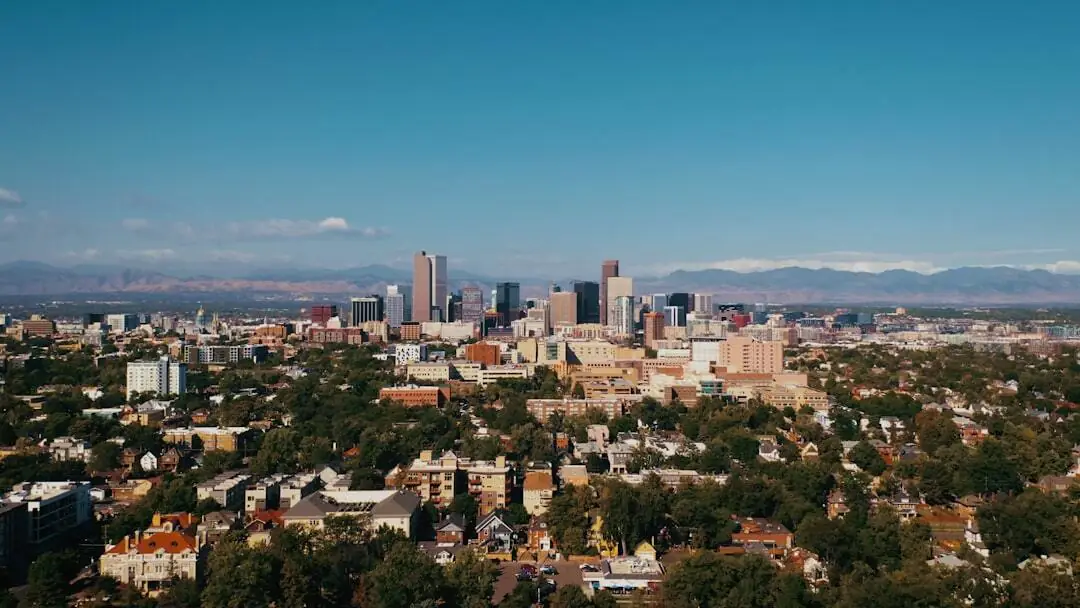
Lone Tree has quietly become one of the most compelling places to invest in real estate across the entire South Denver metro. Nestled between the tech corridors of RidgeGate and the upscale retail hub of Park Meadows, this city punches well above its weight when it comes to rental demand, property values, and long-term appreciation. If you own a rental property here — or you're thinking about buying one — you're already in a strong position.
But strong markets still require smart strategy. Whether you're a seasoned investor with a growing portfolio or an accidental landlord who inherited a property near Bluffs Regional Park, the tips below will help you make the most of what Lone Tree has to offer. Let's dig into what's working right now for South Denver real estate investors.
Understand What Makes Lone Tree Renters Tick
Lone Tree attracts a very specific renter profile, and knowing that profile is half the battle. The city is home to a significant number of healthcare professionals who work at Sky Ridge Medical Center, tech employees at companies clustered along RidgeGate Parkway, and finance industry workers who commute north to the Denver Tech Center. These are stable, high-income renters who prioritize quality over price — they'll pay a premium for updated finishes, a functioning home office space, and reliable property management.
Families are another major segment, drawn here by the Douglas County School District and the proximity to well-regarded schools like Lone Tree Elementary and STEM School Highlands Ranch nearby. These renters tend to stay longer, treat properties with more care, and value neighborhood amenities like the Sweetwater Park trail system and the Charles M. Schroeder Aquatic Center.
Understanding these renter profiles helps you make smarter decisions about what to buy, what to renovate, and what to charge. A two-bedroom condo near the Lone Tree Golf Club might appeal to a young professional couple, while a four-bedroom single-family home in the Ridgegate neighborhood is more likely to attract a family seeking a longer lease. Match your investment to the audience.
Buy in the Right Pockets — Location Still Wins
Within Lone Tree itself, location nuances matter more than many investors realize. Properties within walking distance of the RidgeGate light rail station on Lincoln Avenue consistently command higher rents and lower vacancy rates. Transit-oriented demand is real in this part of South Denver, especially for renters who commute into downtown Denver or the Tech Center without wanting to deal with I-25 daily.
The RidgeGate community on the east side of I-25 continues to develop rapidly, with new retail, medical offices, and residential units coming online regularly. Investing in this corridor now — before the next phase of development matures — positions you to benefit from the appreciation that tends to follow infrastructure buildout. Keep an eye on what the city approves along Ridgegate Parkway, as those permits often signal where values are heading next.
Meanwhile, the more established neighborhoods west of I-25, near Park Meadows Drive and Yosemite Street, offer a different kind of stability — proven rental history, mature landscaping, and a suburban feel that families with school-age children find very appealing. These areas may not have the same growth upside as RidgeGate, but they offer reliable, low-drama cash flow that many investors prefer.
Price Your Rental Right — Don't Leave Money on the Table
One of the most common mistakes we see South Denver landlords make is pricing their rentals based on emotion rather than data. If you've owned your Lone Tree property for ten years, it can be tempting to base your rent on what you originally paid — or on what your neighbor down the street is charging. Neither approach gives you an accurate picture of today's market.
Lone Tree rental rates have shifted meaningfully over the past few years. As of recent market data, well-maintained single-family homes in the area can fetch anywhere from the low $2,000s to well above $3,500 per month depending on size, condition, and specific location. Condos and townhomes near the Lone Tree City Center and the light rail station are also commanding strong rents from professional renters who want walkability.
A proper rental market analysis — one that looks at comparable active listings, recently leased properties, and current vacancy rates in Lone Tree specifically — is essential before you set or reset your price. Overpricing leads to extended vacancy, which quickly erodes any rental income advantage. Underpricing leaves real money on the table every single month. Getting this number right from the start is one of the highest-value things you can do as an investor.
Protect Your Investment with Smart Maintenance Planning
Lone Tree's climate is classically Front Range — hot, dry summers, unpredictable hail seasons, and winters that can swing from mild to genuinely brutal within the same week. This weather variability puts real stress on roofs, gutters, HVAC systems, and irrigation equipment. Investors who stay ahead of maintenance fare significantly better than those who react to problems after they've already become expensive.
A solid preventive maintenance schedule should include HVAC servicing twice a year, roof and gutter inspections every fall before the snow hits, and sprinkler system winterization — something that's especially important given how many Lone Tree properties have established landscaping that renters expect to remain intact. If your property is near Bluffs Regional Park or backs up to open space, also factor in periodic pest inspections, as wildlife corridors can occasionally introduce unwanted guests.
Beyond protecting the physical asset, proactive maintenance keeps your tenants happy and reduces turnover — which is one of the biggest hidden costs in residential investment. A tenant who sees that you respond quickly and keep the property in great shape is far more likely to renew their lease, saving you the marketing costs, vacancy, and preparation expenses that come with turning a unit.
Know Your Numbers — Cash Flow, Appreciation, and Tax Strategy
Lone Tree real estate tends to be on the higher end of the South Denver pricing spectrum, which means investors need to be especially disciplined about running their numbers honestly. The premium price points in neighborhoods like RidgeGate or near the Lone Tree Golf Club can make cash flow analysis look tight — but that same premium supports strong long-term appreciation that can make the overall investment very profitable over a five- to ten-year hold period.
Make sure your analysis accounts for all the real costs: property taxes in Douglas County, HOA fees (which are common in many Lone Tree communities), insurance, maintenance reserves, and property management fees. Investors who ignore these line items often find themselves surprised when the actual returns don't match their initial projections. A good rule of thumb is to set aside at least 10% of gross rent for maintenance and capital reserves, separate from your management fees.
On the tax side, Colorado landlords have access to meaningful deductions — mortgage interest, depreciation, repairs, and professional services like property management all have tax implications worth understanding. Work with a CPA who has experience with Colorado investment real estate to make sure you're structuring your holdings efficiently and not leaving deductions unclaimed.
Consider Professional Property Management as a Strategic Move
Many Lone Tree investors try to self-manage their rentals, at least initially. And while it's certainly possible to handle things yourself, the calculus often shifts once you factor in your time, the complexity of Colorado landlord-tenant law, and the tenant expectations in this particular market. Renters in Lone Tree — many of whom earn six-figure incomes and have high professional standards — expect prompt communication, well-maintained properties, and organized lease processes. Falling short on any of these fronts increases the risk of turnover.
Professional property management isn't just about convenience. A local manager with deep knowledge of the South Denver market can help you price accurately, market to the right audience, screen tenants thoroughly, and handle maintenance coordination without you needing to field calls at 10pm on a Tuesday. That expertise has real dollar value — in lower vacancy, better tenant retention, and avoided legal missteps.
For investors who own multiple properties, or who live outside the Lone Tree area, professional management is almost always worth the fee. Even for single-property owners, the time savings and risk reduction often make it the right call. The key is finding a management partner who genuinely knows this market and treats your property with the same care you would.
Lone Tree is a genuinely exciting place to own investment real estate right now — the demographics are strong, the infrastructure is growing, and the renter demand shows no signs of softening. But like any market, success here comes down to making smart, informed decisions at every step of the process. If you're ready to talk through your investment goals, get a rental market analysis for your property, or explore what professional management could look like for your Lone Tree home, the team at PMI Little Town is here to help. Give us a call at 720.358.8307 or visit us at littletonpropertymanagementinc.com — we'd love to be part of your investment journey.