
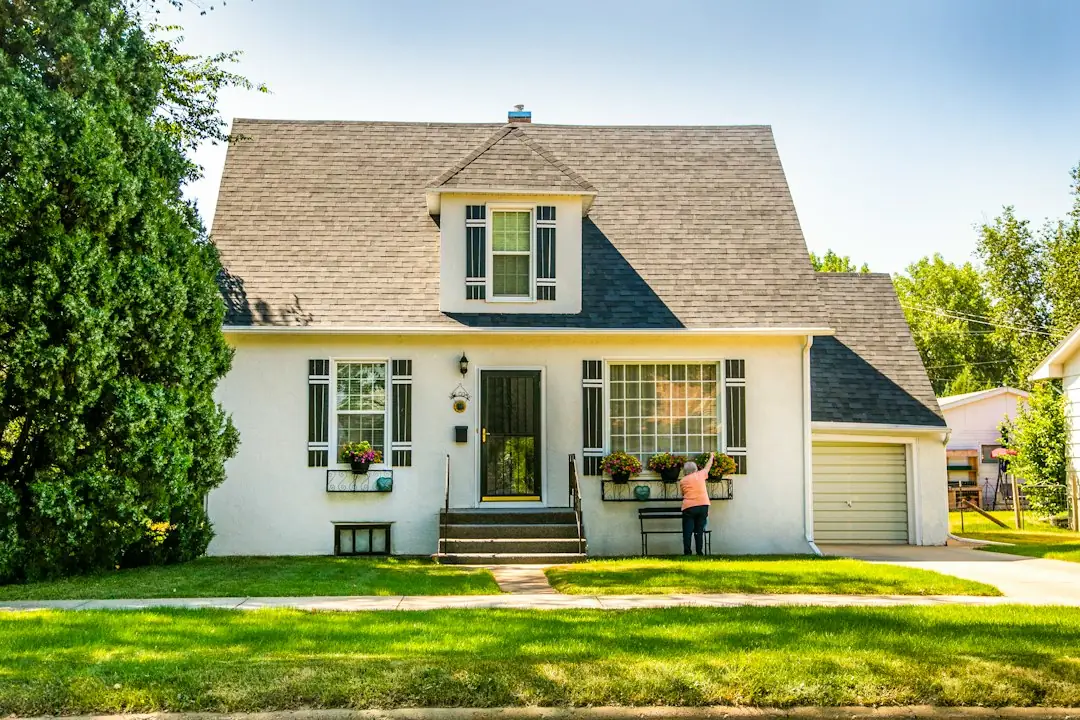
Yes, buying a rental property in Parker is a sound investment right now. Single-family rentals in Parker are commanding median rents near $2,400–$2,700 per month in 2024, vacancy rates sit below 4%, and home values along the Mainstreet corridor and newer subdivisions like Anthology and Clarke Farms have appreciated roughly 6–8% annually over the past five years — supporting gross yields in the 5–7% range before expenses.
Parker's appeal isn't accidental. It sits at the crossroads of E-470 and Parker Road (Highway 83), giving residents a 30–40 minute commute to the Denver Tech Center, Lone Tree, and downtown Denver. The Douglas County School District — consistently ranked among Colorado's top five — draws families who want long-term stability, and those families make excellent long-term tenants. Add a booming retail and restaurant scene centered on Mainstreet, easy access to Cherry Creek State Park and the Parker Recreation Center, and a population that has roughly doubled since 2000, and you have a rental market built on durable fundamentals rather than speculation.
What do Parker rentals actually rent for in 2024?
Single-family homes in Parker are renting for approximately $2,200–$3,200 per month depending on size, location, and finish level, with the sweet spot for a 3-bedroom home landing around $2,400–$2,700. Townhomes and paired homes — popular in communities like Anthology near Chambers Road — typically rent in the $2,000–$2,400 range, while larger 4- and 5-bedroom homes in Bradbury Ranch or Idyllwilde can push above $3,000.
Proximity to top-rated schools like Legend High School and Cimarron Middle School commands a meaningful premium. Homes zoned for these schools consistently rent faster and attract tenants who renew year after year, which is ultimately more valuable than squeezing an extra $100 per month from a property that sits vacant every 12 months.
Before you commit to any purchase, get a free rental analysis from PMI Little Town. We pull current comparable leases — not just Zillow estimates — so you have a defensible number to plug into your pro forma before you close.
What are the real numbers on cash flow after expenses?
On a $550,000 Parker single-family home renting for $2,600 per month, a buyer putting 25% down at a 7.25% interest rate (a realistic 2024 figure) would carry a principal-and-interest payment of roughly $2,815 — meaning the property is likely slightly cash-flow negative before property taxes, insurance, and maintenance. That sounds discouraging, but it misses the full picture.
Douglas County property taxes on a $550,000 home run approximately $3,500–$4,200 per year (the residential assessment rate under Colorado's Gallagher-era adjustments and TABOR-driven corrections sits around 6.7% of assessed value as of 2024). Add landlord insurance at roughly $1,200–$1,800 per year and a 10% maintenance reserve ($260/month), and you are running a deficit of $400–$700 per month at today's rates.
Here is where Parker investors need to shift their mental model: this market rewards equity accumulation and appreciation more than immediate cash flow. At 6% annual appreciation, that $550,000 home gains $33,000 in value per year — far outpacing the monthly shortfall. Investors who bought in Stonegate or Pinery West five to seven years ago are now sitting on $150,000–$200,000 in equity while collecting rents that have risen 25–30% from their original lease rates. The strategy works, but it requires adequate cash reserves and a 5–10 year horizon.
What does Colorado law require of Parker landlords?
Colorado landlords must return security deposits within 30 days of lease termination under C.R.S. § 38-12-103, or within 60 days if the lease specifies that longer period — and the written itemization must accompany any deduction or you forfeit the right to keep any portion of the deposit. Failing this deadline can expose you to treble damages plus attorney's fees.
For month-to-month tenancies, Colorado requires a minimum of 21 days' written notice to terminate under the 2019 revisions codified in C.R.S. § 13-40-107. For annual leases, the notice requirement to terminate or change terms is tied to the lease end date, so lease language matters enormously. Colorado's 'Tenant's Bill of Rights' legislation has evolved steadily since 2021 — including restrictions on late fees (capped at $50 or 5% of rent, whichever is greater, under C.R.S. § 38-12-105) and mandatory habitability standards under the implied warranty of habitability statutes.
Parker sits within unincorporated Douglas County for many subdivisions, while the Town of Parker governs others — this affects which code enforcement and rental licensing rules apply. Douglas County does not currently require a rental license, but you must comply with the International Property Maintenance Code as adopted locally. Staying current on Colorado's rapidly changing landlord-tenant statutes is one of the strongest arguments for hiring a local property manager who tracks these changes professionally.
What neighborhoods in Parker are best for rental investment?
Clarke Farms and Stroh Ranch near the Lincoln Avenue corridor offer the best combination of price point, rental demand, and tenant quality for entry-level investors. Homes here typically list in the $480,000–$560,000 range and rent for $2,300–$2,600, attracting families who value the short drive to E-470 and the Parker Recreation Center on Chambers Road.
Anthology and Inspiration — the newer master-planned communities southeast of Mainstreet — attract higher-income renters relocating for jobs at the DTC or Lone Tree's employer base. Rents in these communities push $2,700–$3,200, but purchase prices are commensurately higher at $580,000–$750,000, so the yield math is similar. The advantage is lower maintenance costs on newer construction and tenants with strong financial profiles.
Avoid buying purely for appreciation speculation in the most premium pockets of Bradbury Ranch or Idyllwilde unless you have deep reserves — these luxury segments can soften faster in a slowdown and the carrying costs are steeper. The sweet spot for a first Parker investment rental is a 3-bedroom, 2-bath home built after 1995 within a mile of Parker Road, priced under $600,000.
What does professional property management cost in Parker, and is it worth it?
PMI Little Town charges 8% of monthly rent (minimum $100) for ongoing management — on a $2,600 rent that is $208 per month, or $2,496 per year. When you place a new tenant, the leasing fee is 50% of the first month's rent (so $1,300 on a $2,600 lease), charged once at placement. Lease renewals cost 25% of one month's rent, or $650 at renewal. A rental price analysis to set your rate is free.
Here is why those fees are almost always worth it for Parker investors: a professionally managed property in Douglas County averages vacancy of under 3 weeks between tenants when handled by an experienced local team, versus 6–10 weeks for self-managed landlords unfamiliar with the market. At $2,600 per month, four extra weeks of vacancy costs you $2,600 — more than the entire year's management fee. That math does not include the value of proper tenant screening, legally compliant lease documentation, and 24/7 maintenance coordination.
For out-of-area investors — and Parker attracts many buyers from California and the Front Range's higher-cost cities — self-management from a distance is genuinely unworkable. Colorado's tenant protection statutes are detailed, the notice and documentation requirements are strict, and a single misstep on a security deposit return or habitability repair timeline can wipe out months of positive cash flow in legal costs.
What are the biggest risks of investing in Parker right now?
The primary risk is interest rate sensitivity — at 7%+ mortgage rates, most Parker single-family rentals are cash-flow negative on day one, meaning investors need 6–12 months of reserves to weather vacancies, unexpected repairs, or a tenant transition. Investors who underestimate carrying costs or over-leverage are the ones who sell at the wrong time and lock in losses.
A secondary risk is supply. Douglas County approved a significant number of new single-family and attached-unit permits in 2022–2023, and those homes are now entering the rental market. Pockets of Inspiration and some newer Anthology phases have seen slightly longer days-on-market for rentals in mid-2024 compared to 2021–2022. This is not a crisis — absorption has been healthy — but it is a reason to be selective about your submarket and pricing strategy.
Finally, Colorado's legislative environment has become more tenant-friendly each session since 2019. While Parker and Douglas County remain more landlord-friendly in practice than Denver proper (which has explored rent stabilization measures), state-level changes apply everywhere. Keeping a local property manager who monitors HB and SB filings each legislative session is a practical hedge against compliance risk.
Parker's rental market is built on real fundamentals — top-rated Douglas County schools, strong employment access via E-470, and a community along Mainstreet that people genuinely want to live in long-term. The investment case is solid if you go in with realistic expectations about cash flow, adequate reserves, and a multi-year horizon. If you're evaluating a specific address in Clarke Farms, Anthology, Stroh Ranch, or anywhere else in Parker, PMI Little Town offers a free rental analysis and a straightforward conversation about what the numbers actually look like. Give us a call at 720.358.8307 or visit littletonpropertymanagementinc.com — we manage properties across the South Denver metro and know Parker's submarkets block by block.
Learn more about our Parker property management services: https://www.littletonpropertymanagementinc.com/parker-property-management
Frequently Asked Questions
What is the average rent for a single-family home in Parker, CO in 2024?
The average rent for a 3-bedroom single-family home in Parker in 2024 is approximately $2,400–$2,700 per month. Townhomes and paired homes run $2,000–$2,400, while larger 4–5 bedroom homes in premium neighborhoods can exceed $3,000 per month.How long does it take to find a tenant for a Parker rental property?
A well-priced Parker rental managed by an experienced local team typically leases within 2–3 weeks. Self-managed properties or those priced above market can sit 6–10 weeks, costing $1,500–$3,000 or more in lost rent — often more than an entire year of management fees.Does Colorado require a rental license in Parker or Douglas County?
Douglas County does not currently require a rental license for residential properties, and the Town of Parker does not impose one either as of 2024. Landlords must still comply with the International Property Maintenance Code and all applicable state landlord-tenant statutes under Colorado Revised Statutes Title 38.How much of a down payment do I need to buy a rental property in Parker?
Most conventional investment property loans require 20–25% down. On a $550,000 Parker home that is $110,000–$137,500 upfront, plus closing costs of roughly 2–3% ($11,000–$16,500). You should also hold 6 months of carrying costs — approximately $20,000–$25,000 — as a reserve before your first tenant moves in.What is the security deposit return deadline in Colorado?
Under C.R.S. § 38-12-103, Colorado landlords must return the security deposit — with a written itemization of any deductions — within 30 days of lease termination (or 60 days if the lease specifies that longer period). Missing the deadline can result in the landlord forfeiting all deductions and owing the tenant treble damages plus attorney's fees.Is Parker better for rental investment than other South Denver suburbs like Littleton or Highlands Ranch?
Parker offers slightly higher gross rents and stronger long-term appreciation driven by population growth, but purchase prices are also higher and cash-flow is thinner at current interest rates. Littleton and Highlands Ranch offer more established rental demand and sometimes better cash-flow on older, lower-priced inventory. The best market depends on your investment timeline and reserve position — a free rental analysis from PMI Little Town can compare specific addresses across all three markets.