
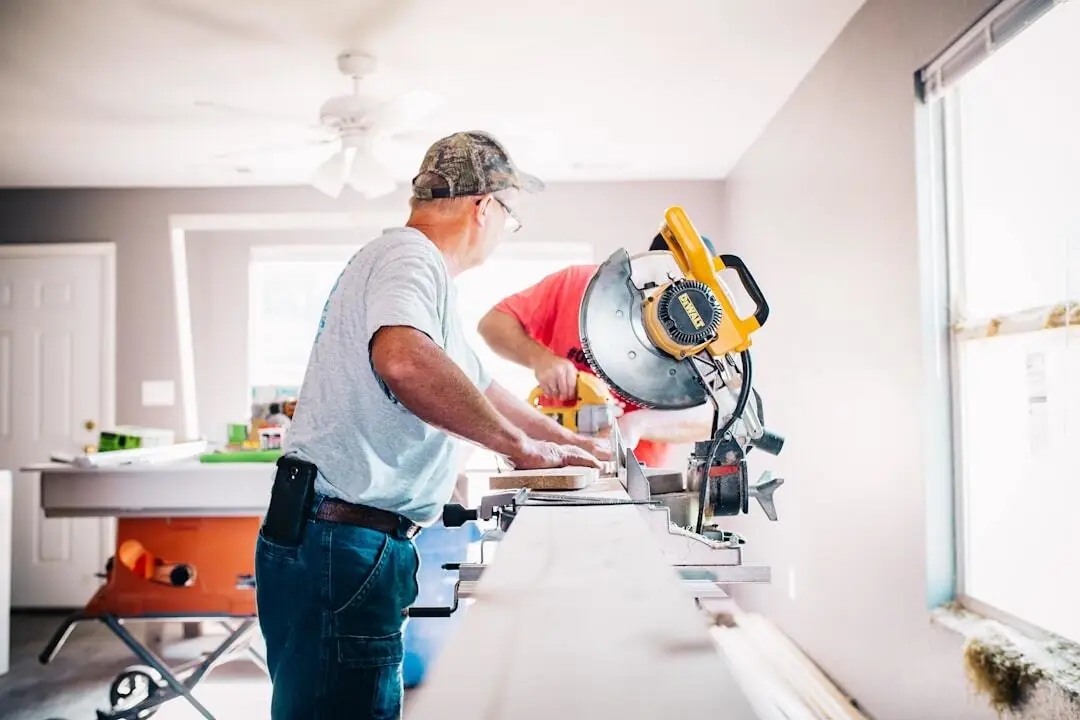
Owning a rental property in Lakewood is a genuinely rewarding investment. Whether your property sits near the vibrant shops and restaurants along Wadsworth Boulevard, backs up to the green space of Belmar Park, or is tucked into one of the quiet, tree-lined neighborhoods off Morrison Road, Lakewood's rental market is strong — and keeping it that way takes intentional upkeep.
Maintenance is one of the most powerful tools a landlord has. It protects your asset, keeps good tenants in place longer, and helps you avoid the kind of expensive emergency repairs that can eat into an entire year's profit in a single weekend. The good news is that a proactive, organized approach to property maintenance doesn't have to be overwhelming. Here's what Lakewood landlords need to know.
Start With a Seasonal Maintenance Calendar
Lakewood sits at roughly 5,500 feet elevation, and the Front Range climate is no joke. You get genuine four-season weather — late spring snowstorms, intense summer hail, dry autumn winds, and hard freezes that can snap pipes without much warning. A seasonal maintenance calendar is your first line of defense against all of it.
In the spring, focus on inspecting the roof and gutters after winter, testing the HVAC system before cooling season kicks in, and checking for any foundation cracks or moisture intrusion that freeze-thaw cycles may have caused. Summer is the right time to service irrigation systems, reseal driveways, and trim back trees or shrubs that could become a liability during a windstorm rolling in off the Rockies.
Fall is arguably the most critical season for Lakewood rentals. Winterize outdoor faucets, flush and service the furnace, clean gutters of cottonwood debris, and make sure weatherstripping on doors and windows is tight. A little diligence in October can prevent a very expensive call in January.
Conduct Regular Property Inspections
Routine inspections — typically two to four times per year — give you a clear picture of your property's condition and catch small problems before they become large ones. They also signal to tenants that you take the property seriously, which tends to encourage them to do the same.
During an inspection, walk through every room and check for water stains on ceilings, signs of mold around windows or in bathrooms, HVAC filter condition, the state of appliances, and any damage to walls, floors, or fixtures. Don't forget the exterior: look at the condition of the driveway, fencing, outdoor lighting, and the roof if you can safely view it.
In Lakewood, it's worth paying special attention to basement moisture. Many of the older ranch-style and split-level homes west of Kipling Street have basements that can be vulnerable to water intrusion — particularly after heavy spring rains or rapid snowmelt off the foothills. Catching a moisture issue early is far less painful than remediating mold after the fact.
Build a Reliable Network of Local Vendors
One of the most practical things you can do as a Lakewood landlord is assemble a trusted team of local contractors before you need them in an emergency. That means having a plumber, HVAC technician, electrician, and general handyman whose numbers are already in your phone.
Local vendors matter for a few reasons. They know the housing stock in the area — the older ranch homes near Green Mountain, the mid-century duplexes around Alameda Avenue, the newer builds closer to Belmar — and they're familiar with the quirks those properties often present. They're also more likely to prioritize a repeat customer over a one-time job, which becomes very important when a furnace goes out at 10 p.m. in February.
Ask for recommendations from other landlords in Jefferson County, check reviews carefully, and whenever possible, use vendors on a non-emergency job first so you can evaluate their quality and communication before you're relying on them in a stressful situation.
Respond to Maintenance Requests Promptly — Every Time
Under Colorado law, landlords are required to maintain rental properties in a habitable condition, and that includes responding to maintenance requests within a reasonable timeframe. Beyond the legal obligation, though, prompt responses are simply good business. Tenants who feel heard and respected are far more likely to renew their lease, take care of the property, and refer friends.
Set clear expectations in your lease about how maintenance requests should be submitted — ideally through a written channel like email or a tenant portal — and commit to an acknowledgment window of 24 hours and a resolution window that reflects the urgency of the issue. A leaking faucet is different from a broken heater in December, and your response time should reflect that.
Deferred maintenance is one of the most common reasons good tenants leave. In Lakewood's competitive rental market, where proximity to light rail on the W Line, access to trails in William Frederick Hayden Park, and strong Jefferson County schools all drive demand, you cannot afford to let tenant satisfaction slip.
Keep Detailed Maintenance Records
Every repair, inspection, and vendor invoice should be documented and stored. This practice protects you legally, helps you track recurring issues, supports your tax deductions, and gives you a clear picture of your property's true operating costs over time.
A simple spreadsheet works fine for landlords managing one or two properties. Include the date, nature of the issue, vendor used, cost, and any follow-up needed. If you're using a property management platform, most have built-in maintenance tracking that makes this even easier.
Good records also matter when a tenancy ends. Detailed move-in and move-out documentation — including photos and written condition reports — makes it far easier to fairly assess security deposit deductions and avoid disputes. Colorado has specific rules around security deposit timelines and itemization, so having your paperwork in order is essential.
Budget Proactively for Capital Repairs
Routine maintenance is one thing, but every property eventually needs bigger-ticket capital improvements: a new roof, a furnace replacement, updated electrical panels, fresh exterior paint. Savvy Lakewood landlords don't let these expenses catch them off guard — they plan for them.
A common rule of thumb is to reserve one to two percent of the property's value per year for capital expenses. For a home valued at $450,000 — fairly typical for Lakewood's current market — that means setting aside $4,500 to $9,000 annually. That figure should be factored into your overall investment analysis when evaluating whether a property is cash-flowing effectively.
Hail damage is worth a special mention for Lakewood owners. Jefferson County sits squarely in Colorado's hail corridor, and a single storm can mean significant roof or siding repairs. Carry robust landlord insurance, understand your deductibles, and document your roof's condition with dated photos after every major storm. It can make a substantial difference when you file a claim.
Maintaining a rental property in Lakewood well is genuinely one of the best investments of time and resources a landlord can make. It preserves your property's value, keeps great tenants happy, and saves you from the financial pain of deferred repairs turning into major emergencies. If you'd rather have a seasoned team handle the inspections, vendor coordination, maintenance tracking, and tenant communication on your behalf, PMI Little Town is here to help. Give us a call at 720.358.8307 or visit littletonpropertymanagementinc.com to learn more about how we support Lakewood property owners every day.